Top 7 web application penetration testing companies in 2026

Web application penetration testing is only as useful as the methodology behind it. A test that stops at vulnerability enumeration gives you a list. A test that validates exploitability, follows attack chains, and covers business logic gives you actual risk reduction.
This list focuses on tools and platforms that security engineers, developers, and AppSec teams are actively using in 2026, covering automated DAST platforms, AI-driven testing, PTaaS, and dedicated pen testing toolkits.
TL;DR: Top 7 web application penetration testing companies
| Tool | G2 rating | Starting price | Best for |
|---|---|---|---|
| Beagle Security | 4.7/5 | Starts at $199/month | Agentic AI penetration testing with CI/CD integration and business logic coverage |
| Zap by Checkmarx | 4.7/5 | Free open source | Free, open-source DAST in CI/CD pipelines |
| CrowdStrike | 4.6/5 | Starts at $59.99 per device annually for small businesses | Enterprise adversary emulation tied to threat intelligence |
| Brupsuite | 4.8/5 | Professional edition starts from $449 per user annually | Manual pen testing and intercepting proxy for security professionals |
| Rapid7 InsightAppSec | 3.9/5 | Starts at $175 per month for a single application | DAST integrated into a broader vulnerability management platform |
| Invicti | 4.6/5 | Starts at $7,000/ year; QTY 5 Targets (FQDN = website, web application, API, or web services) | Proof-based scanning for large enterprise application portfolios |
| Cobalt | 4.5/5 | Credit-based subscription model | PTaaS with a vetted global tester community and fast turnaround |
Factors that decide the top web application penetration testing companies
Choosing between platforms is not just a features comparison. What separates useful testing from expensive checkbox activity comes down to a few things.
Manual exploit validation vs enumeration
A finding only has value if you know it is actually exploitable in your environment. Tools and services that validate exploitability rather than flagging potential issues produce far fewer false positives and cut remediation time significantly.
Business logic coverage
Most high-impact application vulnerabilities are not generic. They live in your specific workflows: purchase flows, approval chains, role transitions, and permission boundaries. Scanners that cannot model your application’s logic will miss them.
API testing depth
Modern applications enforce authorization in APIs, not just in the UI. Testing needs to cover REST and GraphQL endpoints, token-based auth flows, object-level access control, and cross-tenant boundaries not just endpoint discovery.
CI/CD integration
If security testing only happens once a quarter, it is already behind your release cycle. The strongest platforms plug directly into your pipeline and surface findings before code reaches production.
Reporting quality
A good report tells an engineer exactly what was found, how to reproduce it, what the impact is, and how to fix it in the context of their stack. A weak report creates back-and-forth between security and development teams and slows remediation.
Remediation support and retesting
Identifying a vulnerability is step one. Knowing the fix worked is step two. Platforms that include retest capabilities close the loop and prevent recurring findings.
Top 7 web application penetration testing companies
Beagle Security
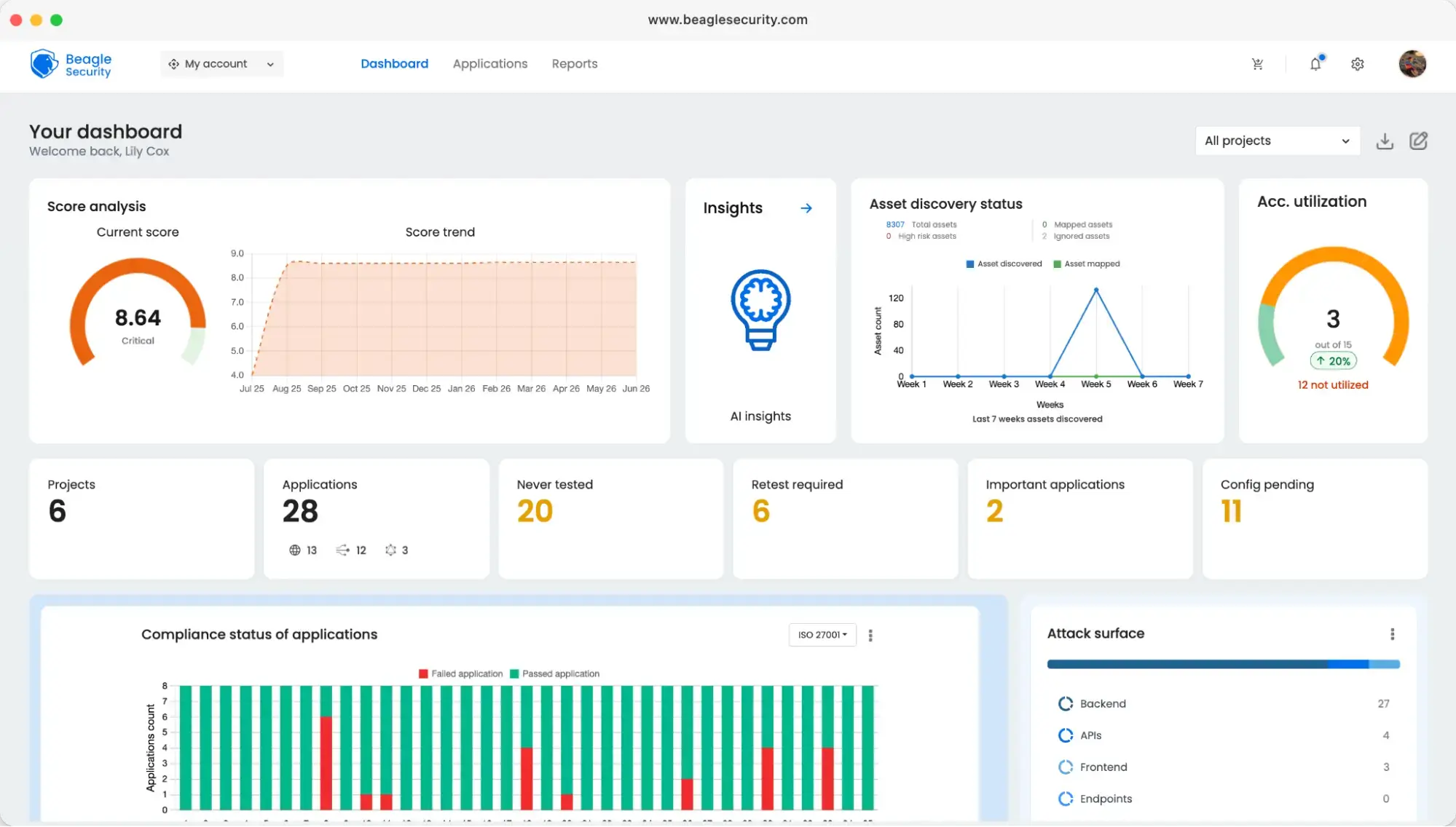
Beagle Security specializes in agentic AI powered penetration testing for web applications, APIs, and GraphQL endpoints using real-world attack simulation. Unlike traditional scanners that rely on predefined signatures, it analyzes how applications actually behave and generates contextual test cases accordingly. Its continuous testing model allows organizations to run assessments automatically during each release cycle or on new deployments. Teams rely on Beagle Security for fast feedback loops, realistic attack paths, and automated reporting that developers can act on without needing deep security expertise. It is particularly well suited for growing companies and DevSecOps teams modernizing their testing processes.
Key features
Agentic AI that adapts test cases based on what it discovers during the scan
Web application, REST API, and GraphQL endpoint coverage
Business logic scenario recording for workflow-specific testing
LLM-based reports with tech stack-specific remediation guidance
Authenticated scanning with recorded login flows
Pricing
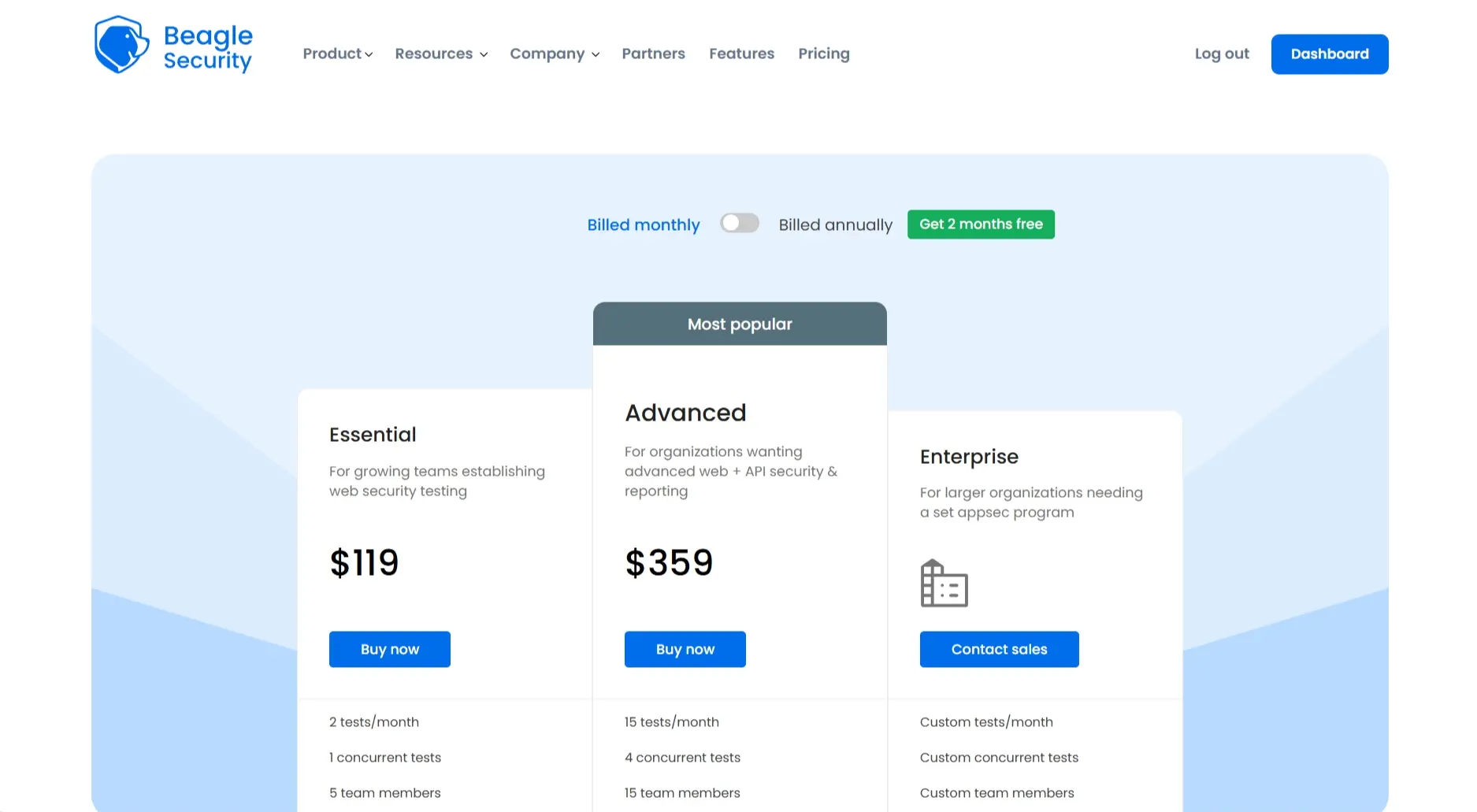
Free tier: Advanced 14 days
Essential: $119/month
Advanced: $359/month
Custom enterprise plans available
Rating & reviews
G2 rating: 4.7/5
ZAP by Checkmarx
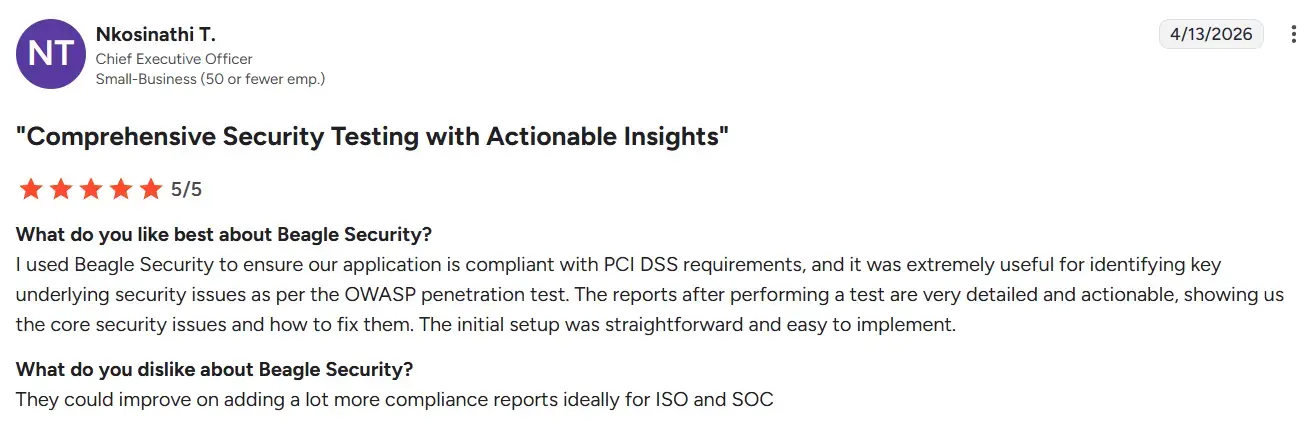
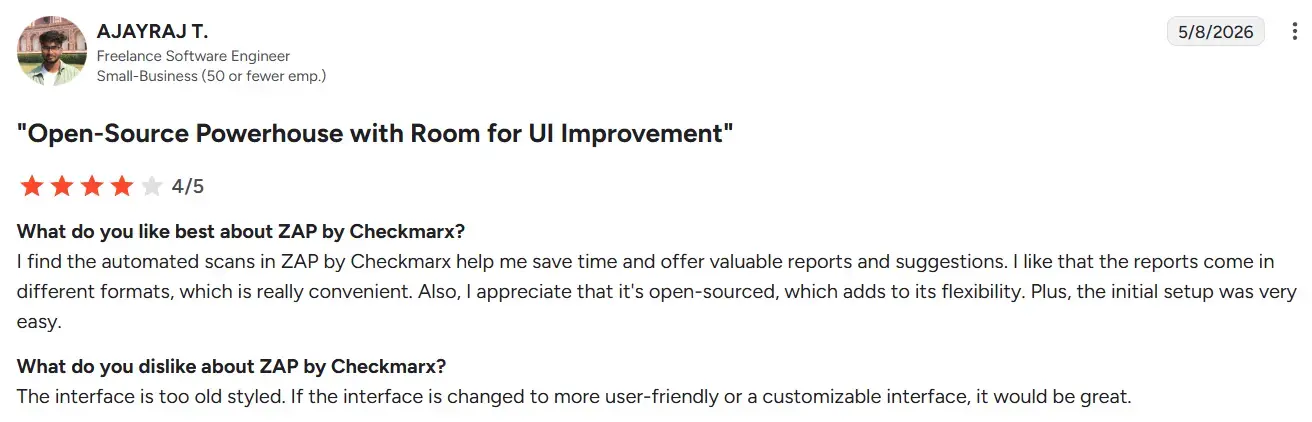
ZAP is one of the most popular open-source dynamic application security testing (DAST) tools and is now maintained under Checkmarx. It has grown from a community-driven OWASP project into a globally recognized security scanner, widely used by developers, QA teams, and security professionals. The tool provides strong automation capabilities and flexibility, making it a go-to option for teams looking for cost-effective and customizable security testing.
Key features
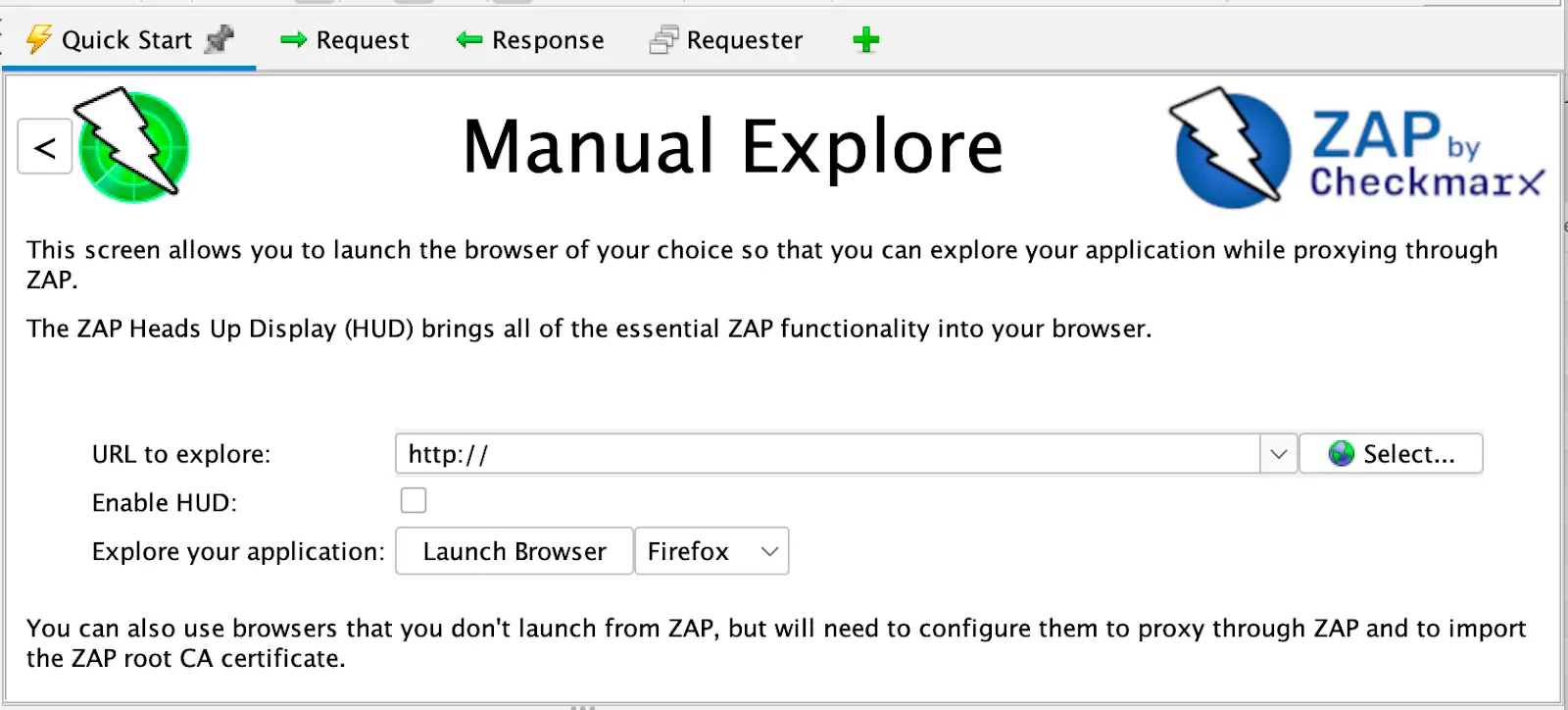
Automated scanner and spider crawl applications to detect vulnerabilities quickly
Passive scanning monitors traffic in real time without affecting performance
Extensible through plugins, add-ons, and scripting for tailored use cases
AJAX spider and JavaScript execution help test modern web applications
Supports API testing with OpenAPI and Swagger definitions
Built-in proxy allows manual interception and modification of requests
Pricing
ZAP is free. There are no paid tiers, licensing fees, or feature restrictions. It is released under the Apache 2.0 license.
Ratings and review
G2 rating: 4.7/5
CrowdStrike
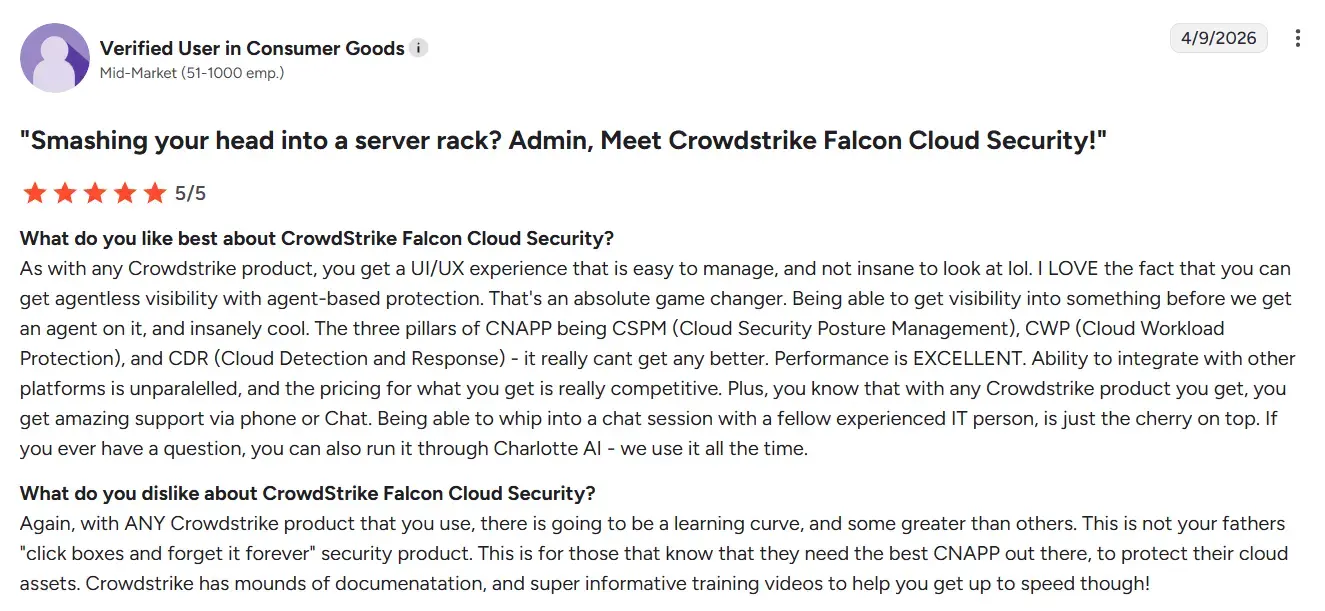
CrowdStrike is best known for its endpoint protection, threat intelligence, and adversary-focused security services. In the penetration testing space, the company emphasizes adversary emulation and real-world attack simulation rather than narrowly scoped web application testing alone. Its engagements are designed to assess how attackers could move across web applications, cloud infrastructure, identity systems, and endpoints as part of a broader compromise chain. This makes CrowdStrike particularly relevant for large enterprises that want security validation tied to realistic attacker behavior and enterprise-wide exposure. However, organizations looking for highly specialized manual web application testing focused on business logic flaws, authorization issues, and application-specific edge cases may require a more application-centric testing provider
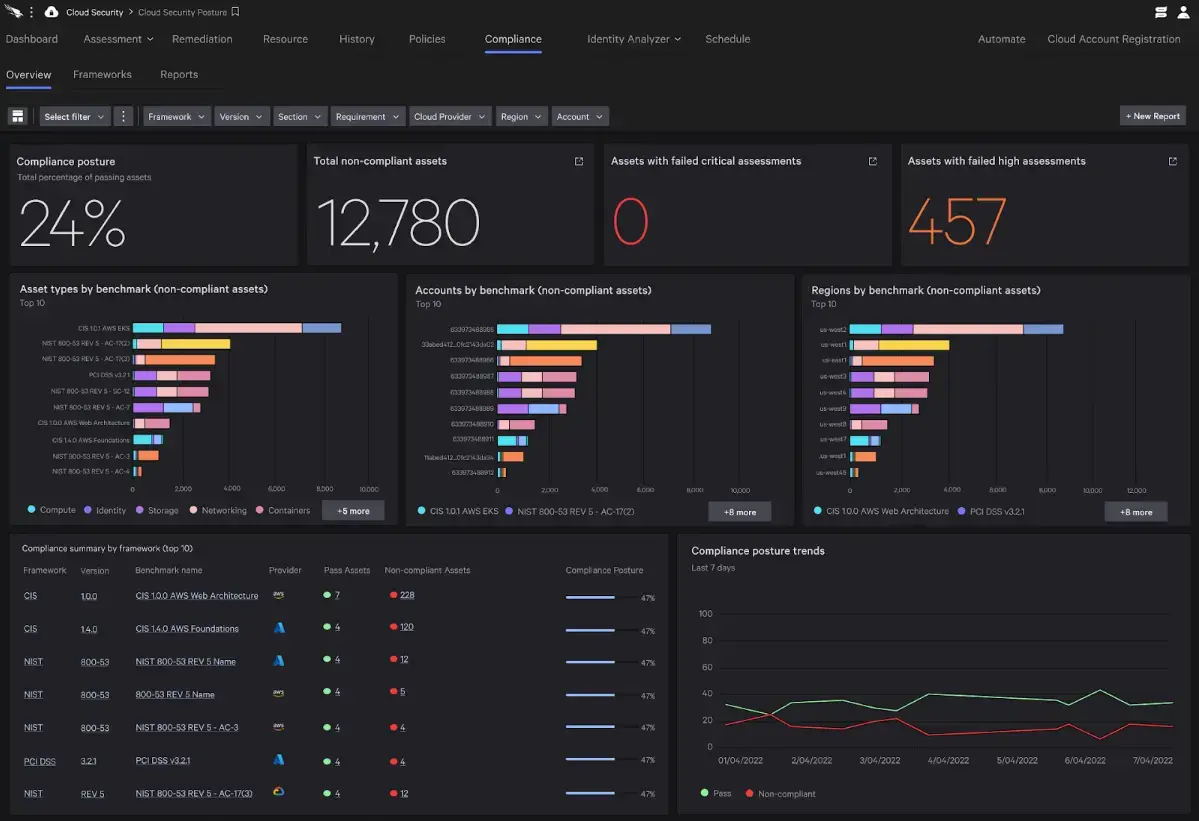
Source: Crowdstrike
Key features
Intelligence-led web application and red team testing
Coverage across applications, networks, cloud environments, and identity systems
Integration with EDR and cloud protection controls for detection and response alignment
Finding access through a client portal with retesting until engagement objectives are met
Suitable for validating detection and response capabilities alongside identifying vulnerabilities
Pricing
Free trial: 15 days
Falcon go: $59.99 / device/ year
Falcon pro: $99.99/ device/ year
Falcon enterprise: $184.99/ device/ year
Falcon elite: for large-scale businesses and has custom pricing and features
Ratings & review
G2 rating: 4.6/5
Burp Suite
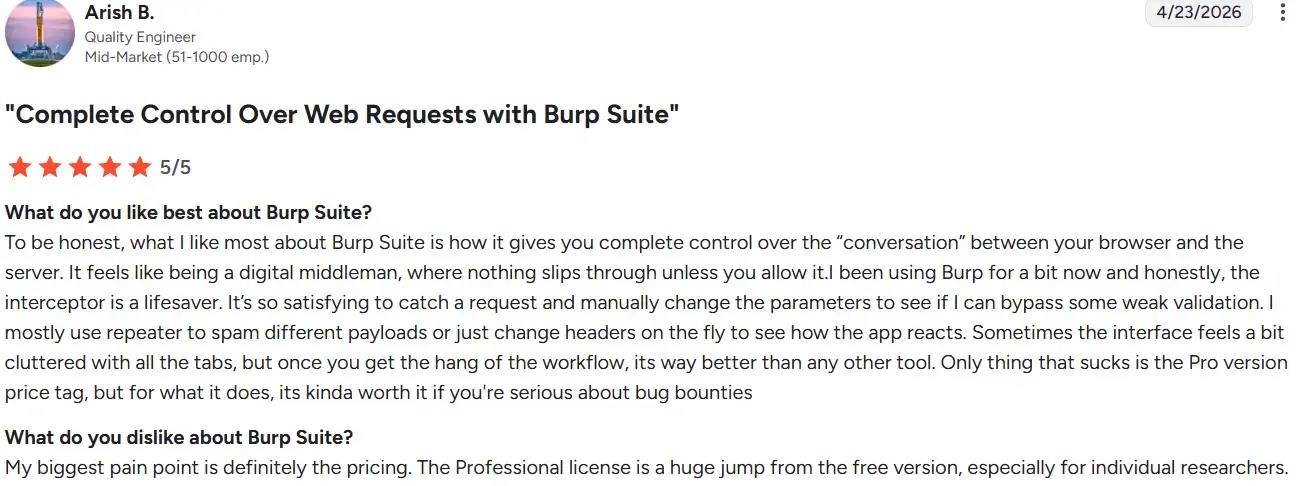
Burp Suite is considered the industry-standard toolkit for application security testing, relied on by penetration testers worldwide. It combines powerful automated scanning with advanced manual testing modules, giving professionals deep control over their assessments.
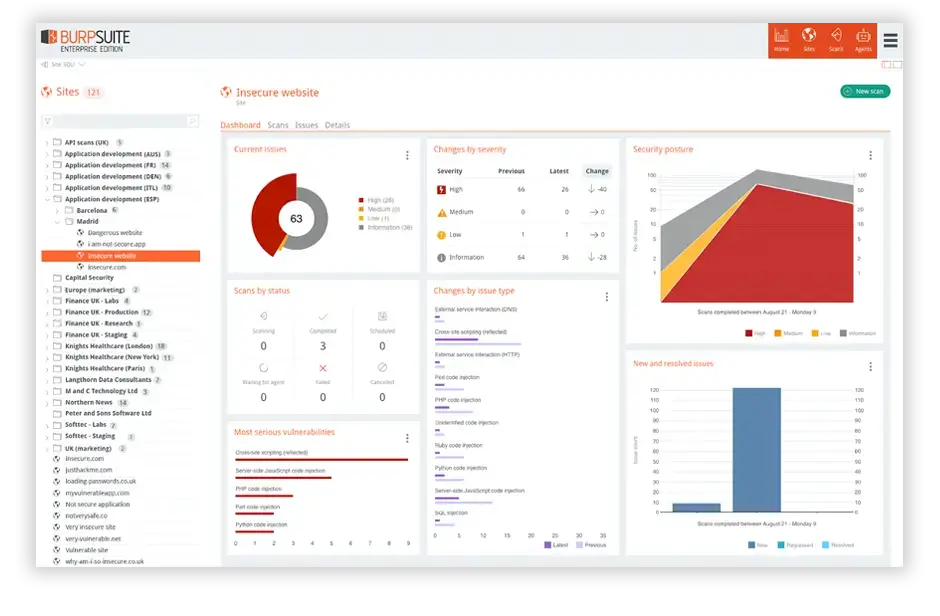
Source: Portswigger
Key features
Offers a complete toolkit for both automated scanning and manual testing
Built-in proxy enables request interception and modification in real time
Manual testing tools like Intruder granular control
Automated scanners are known for high accuracy and low false positives
Supports session handling and authentication for complex apps
Extensible with BApp Store plugins to add specialized features
Pricing
Burp Suite offers several tiers:
The Community Edition: Free
Professional Edition: $449 per user annually
Enterprise Edition: Custom pricing
Ratings & review
G2 rating: 4.8/5
Rapid7 InsightAppSec
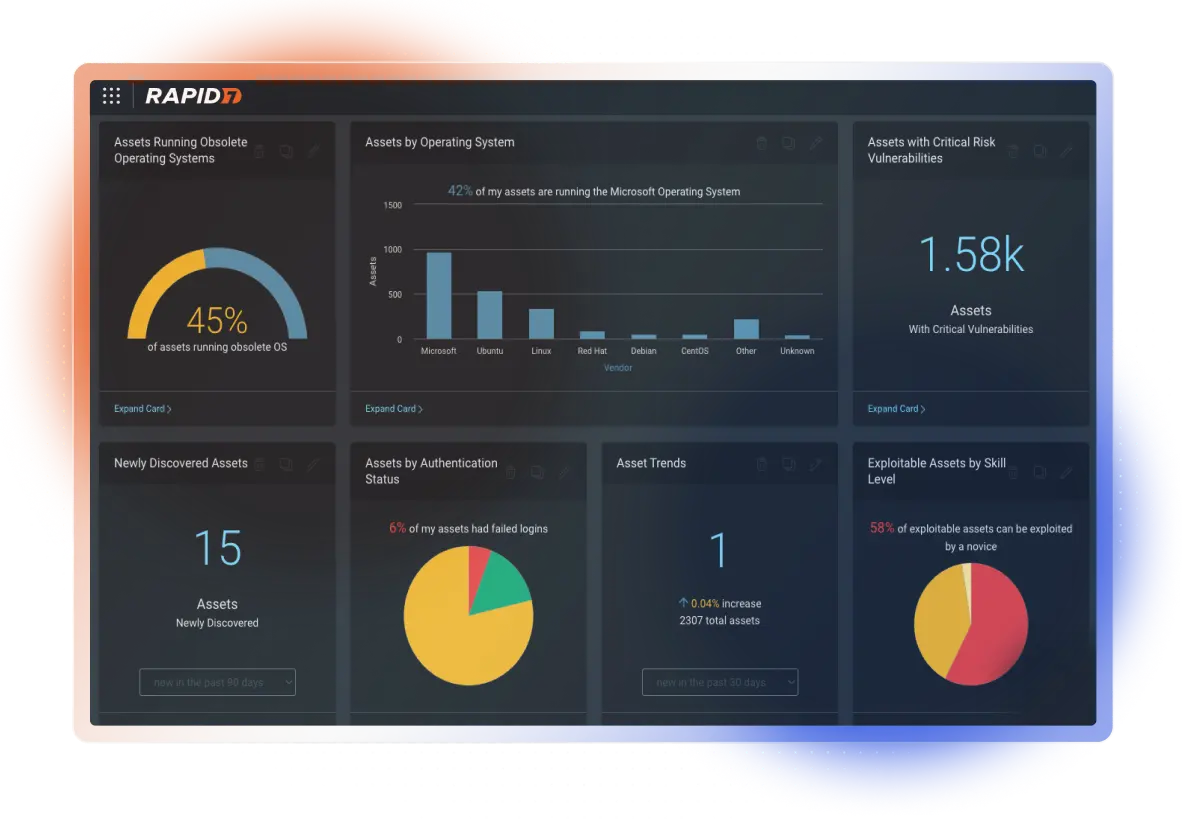
Rapid7 InsightAppSec brings dynamic application security testing into the broader Rapid7 Insight Platform, which also includes InsightVM for vulnerability management and InsightIDR for detection and response. This integrated approach lets security teams correlate application risks with network and endpoint findings under one platform. InsightAppSec supports scheduled and on-demand scanning, configurable blackout periods to avoid testing during peak production hours, and a universal translator that helps the tool adapt to modern application stacks. In Q2 2025, Rapid7 added AI Attack Coverage targeting the OWASP Top 10 for LLMs, making it one of the first mainstream DAST platforms to address generative AI risks.
Key features
InsightAppSec with DAST scanning
Scheduled scanning and scan blackouts
Risk scoring and vulnerability tracking
Visual dashboards and customizable reporting
CI/CD integrations
Compliance focused reports
Pricing
Rapid7 pricing starts at $175 per month for a single application, using a per-application pricing model. A 30-day free trial is available.
Ratings & review
G2 rating: 3.9/5
Invicti
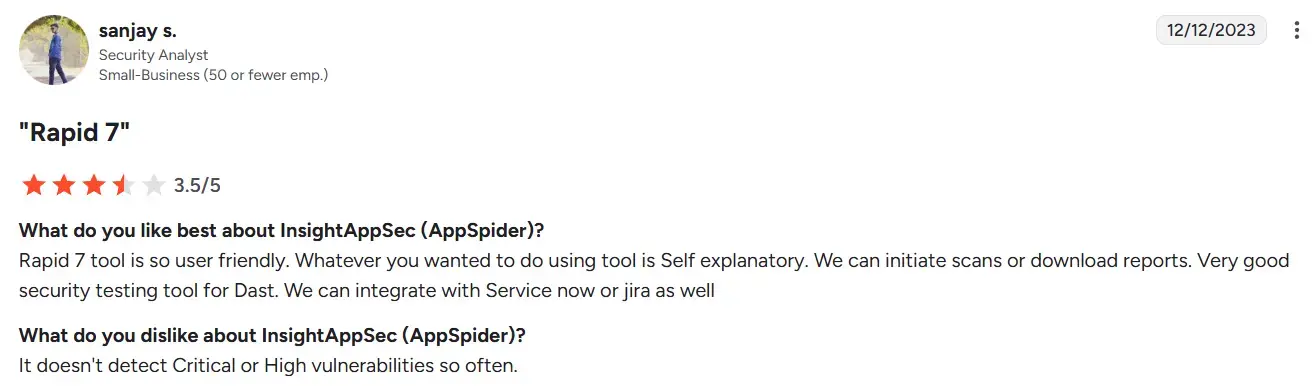
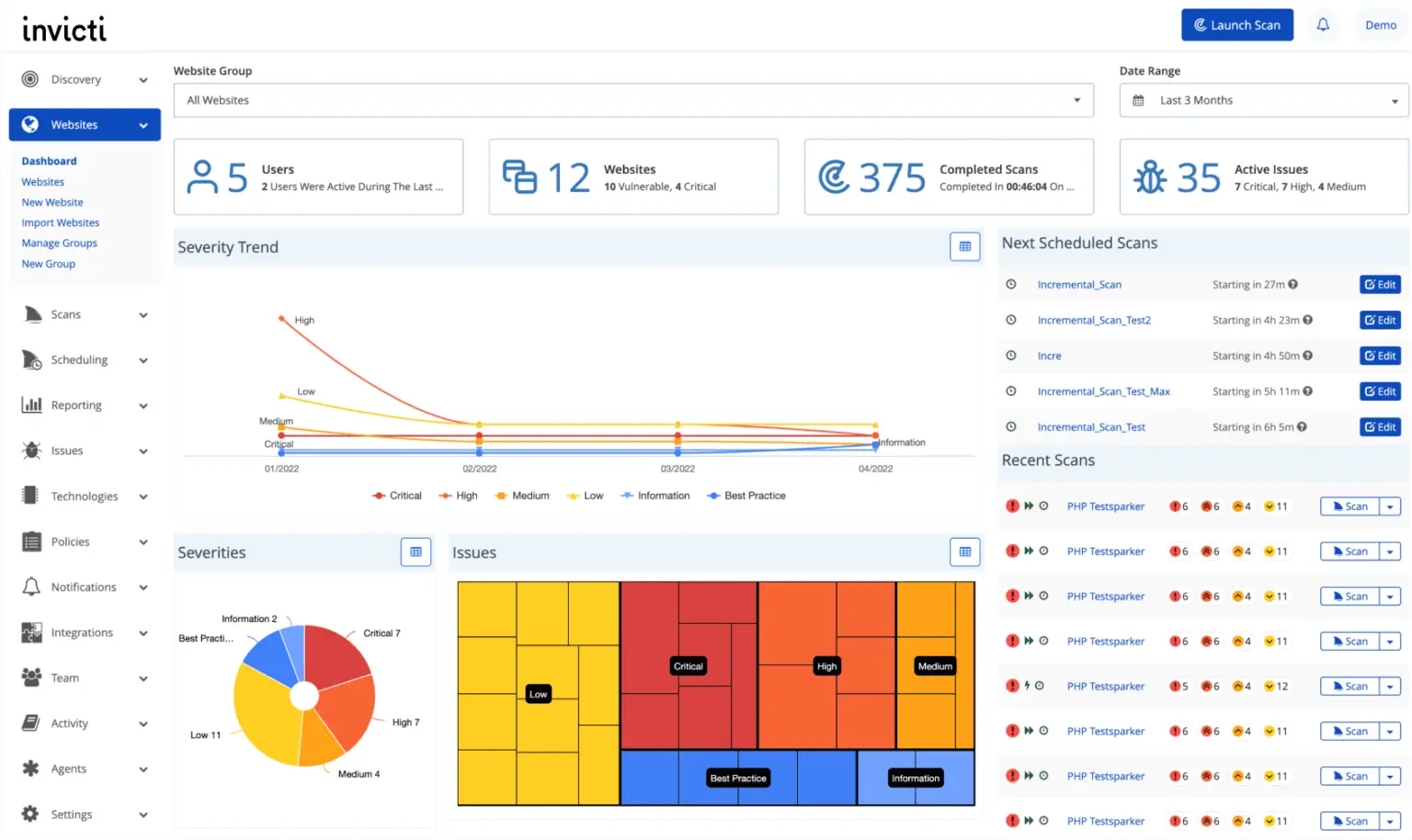
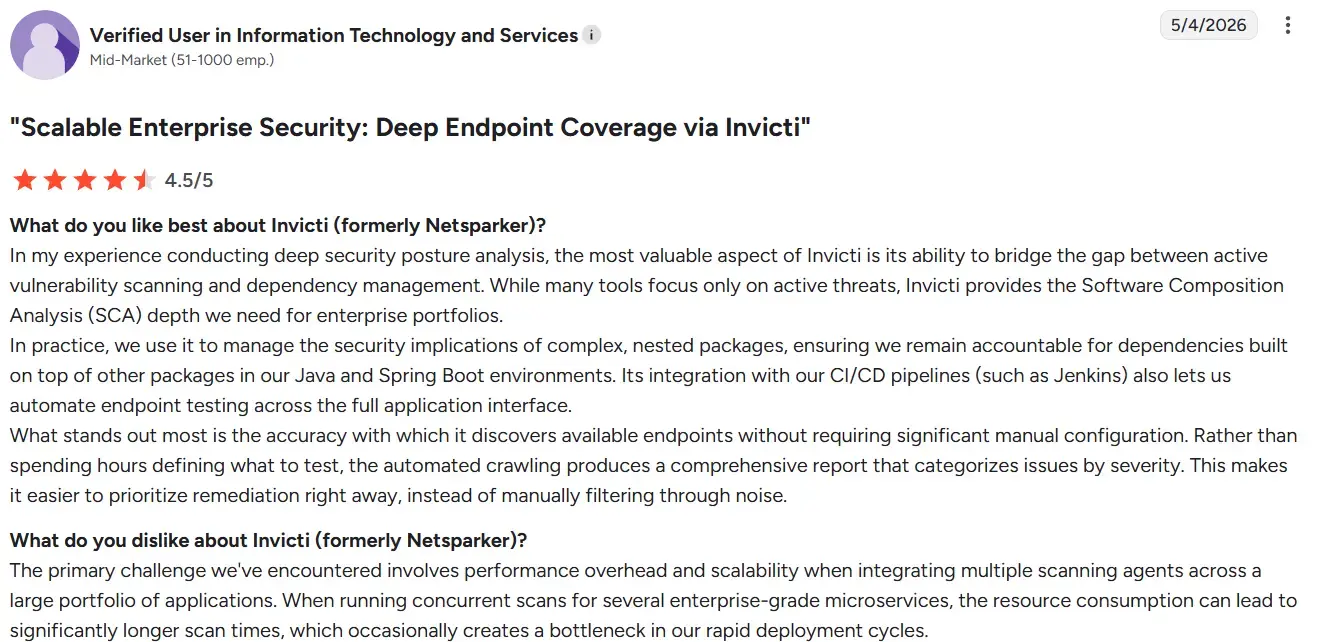
Invicti (formerly Netsparker) is an enterprise-grade automated DAST platform known for its proof-based scanning technology. Instead of simply flagging potential vulnerabilities, the platform safely exploits the flaw to confirm that it is real, significantly reducing false positives. Invicti is designed to automate vulnerability detection at scale, helping organizations integrate security testing into development workflows.
Key features
DAST engine with high scalability
Proof-Based Scanning (automatic vulnerability validation)
AI-powered crawling & form handling
Stateful API testing
Shadow API discovery
CI/CD integrations (Jenkins, GitLab, Azure DevOps)
Role-based access controls
Pricing
Pricing for Invicti is based on a custom quote
Starting price as per AWS marketplace: $7,000/ year; QTY 5 Targets (FQDN = website, web application, API, or web services)
Ratings & review
G2 rating: 4.6/5
Cobalt
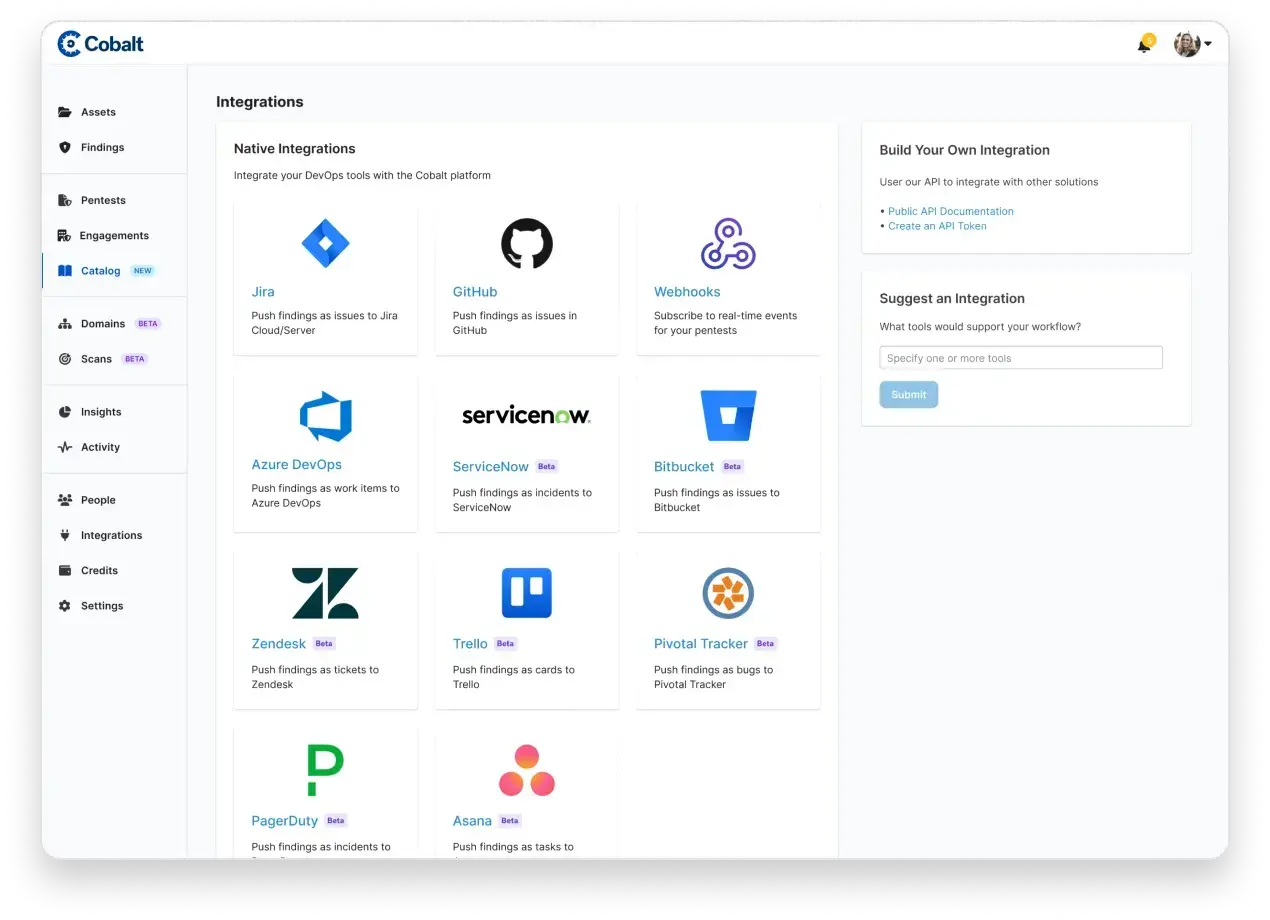
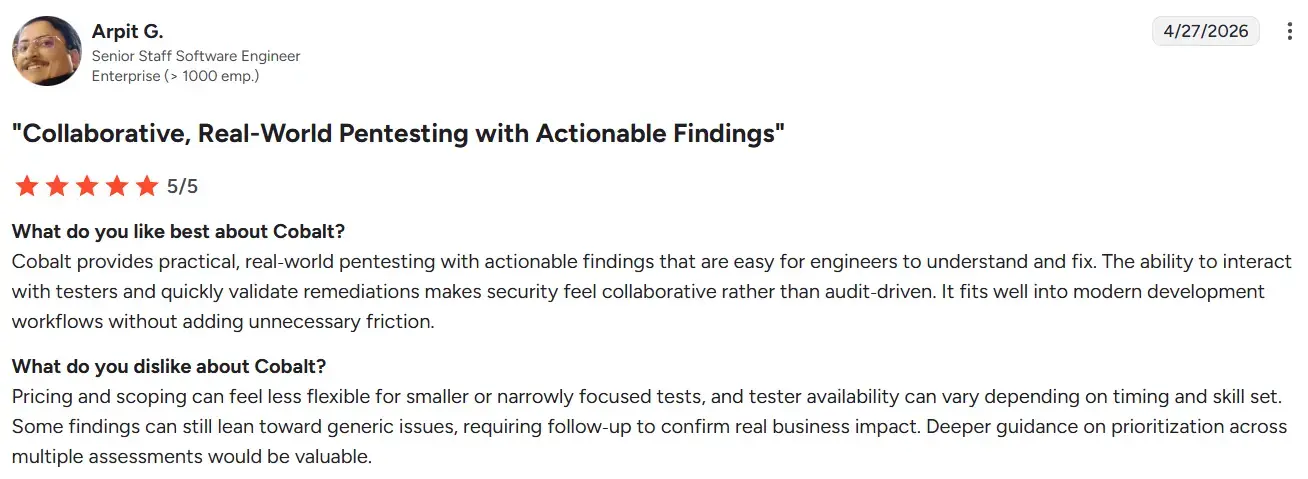
Cobalt is a penetration testing company known for its PTaaS (Penetration Testing as a Service) model, which combines human-led security testing with a platform designed for continuous visibility and collaboration. Its approach is built around helping modern engineering and DevOps teams manage pentesting through streamlined workflows, centralized dashboards, and flexible engagement cycles that align with fast software release schedules. This makes Cobalt particularly relevant for SaaS companies, fintech organizations, and development-driven teams that want pentesting integrated into ongoing security operations rather than treated as a once-a-year assessment.
Source:Cobalt
Key features
Manual pentesting by a vetted global tester community
Comprehensive testing methodologies across web, API, mobile, and infrastructure
Real-time collaboration with testers during engagements
Detailed findings with proof-of-concept exploitation and remediation guidance
Compliance-ready reporting aligned to OWASP and CVSS scoring
Platform dashboard to manage pentest lifecycle and track security posture
Pricing
Cobalt uses a credit-based subscription model. One Cobalt Credit equals 8 hours of penetration testing. Credits are sold in annual packages across three tiers: Essentials, Professional, and Enterprise. Platform fees are separate from testing credits.
Ratings & review
G2 rating: 4.5/5
Final thoughts
The right choice depends on what your team needs most right now.
If continuous automated coverage with CI/CD integration and business logic awareness is the priority, Beagle Security fits that need directly. If your team does manual security work and needs a deep, flexible proxy and scanner toolkit, Burp Suite remains the industry standard. If you need manual testing with fast turnaround and platform-driven delivery, Cobalt or a similar PTaaS provider makes sense. For large enterprise portfolios that need proof-based accuracy at scale, Invicti is purpose-built for that environment.
If you want to see what continuous, agentic AI-driven penetration testing looks like in practice, Beagle Security offers an advanced 14-day free trial or walk through the interactive demo. You can run your first test against a web application and get a full report with stack-specific remediation guidance.
FAQ
What is web application penetration testing?
Web application penetration testing is a structured process where security professionals attempt to find and exploit vulnerabilities in a web application before an attacker does. It simulates real attack techniques to uncover weaknesses across authentication, business logic, APIs, and access controls, and traces the actual impact of each finding rather than just flagging potential issues.
What is the difference between DAST and penetration testing?
DAST (dynamic application security testing) is a category of automated scanning that tests a running application from the outside. Penetration testing includes DAST techniques but also incorporates manual testing, exploit chaining, business logic analysis, and authenticated testing across complex workflows. DAST tools like Burp Suite DAST, Invicti, and InsightAppSec automate parts of what a manual tester does. Platforms like Beagle Security use agentic AI to bring automated testing closer to the depth of manual work.
How often should web applications be tested?
At minimum, before major releases and after significant architectural changes. For applications handling sensitive data or operating in regulated industries, continuous automated testing combined with periodic manual assessments is the more defensible approach..


![Top ZAP alternatives and competitors [October 2026]](/blog/images/top-zap-alternatives-cover.webp "Top ZAP alternatives and competitors [October 2026]")




![Top 10 penetration testing companies [2026]](/blog/images/top-penetration-testing-companies-cover.webp "Top 10 penetration testing companies [2026]")


![Top vendor application security tools [2026]](/blog/images/top-vendor-application-security-testing-tools-2026-cover.webp "Top vendor application security tools [2026]")



![Top Snyk alternatives & competitors [2026]](/blog/images/top-snyk-alternatives-cover.webp "Top Snyk alternatives & competitors [2026]")