Top Intruder.io alternatives [2026]
![Top Intruder.io alternatives [2026]](/blog/images/blog-banner-three.webp "Top Intruder.io alternatives [2026]")
Introduction
Intruder.io has long been recognized as a reliable vulnerability scanner for identifying weaknesses in web-facing assets. However, as security needs evolve, many organizations are exploring Intruder.io alternatives that offer deeper DAST capabilities, API testing, and CI/CD integration.
In 2026, the landscape of dynamic application security testing (DAST) tools has expanded with smarter automation, developer-friendly workflows, and enhanced compliance reporting. Whether you’re looking for more advanced attack simulations, improved scalability, or better integration with your existing DevSecOps pipeline, the right tool can significantly strengthen your web security posture.
If you currently use Intruder.io (or are evaluating it) and want to explore other options, this article lays out 10 strong alternatives in 2026. We’ll compare key players across web application and API security / DAST (Dynamic Application Security Testing), highlight pricing, strengths and use-cases, and help you find the best fit for your team.
Comparison table
| Tool | Starting price | Strengths | Useful for |
|---|---|---|---|
| Beagle Security | $119/month | AI-powered DAST, API & GraphQL support, low false positives | DevSecOps teams, modern web & API stacks |
| Checkmarx DAST | Quote (enterprise) | Unified AppSec (SAST+DAST), deep code/infra coverage | Large enterprises needing broad AppSec programme |
| Veracode DAST | From ~$15,000/year | Cloud-native AppSec, policy workflows, compliance focus | Regulated sectors, enterprise governance |
| HCL AppScan | From ~$295/scan (cloud DAST) | Full suite (DAST, SAST, IAST), enterprise maturity | Organisations needing end-to-end AppSec across SDLC |
| Tenable WAS | $7,434/year for 5 FQDNs | Risk-based DAST, exposure & web apps focus | Mid-to-large organisations using Tenable ecosystem |
| Qualys WAS | $1,995/year for 25 apps | Scalable cloud web app scanning, compliance automation | Enterprises scanning many web apps/APIs at scale |
| Rapid7 InsightAppSec | $175/month per app | Cloud DAST, good for multiple apps, integrates with Rapid7 stack | Organisations already using Rapid7 or scanning many apps |
| Black Duck DAST | Quote - limited public pricing | Strong in open-source/SCA but when combined with DAST gives hybrid coverage | Teams needing open-source + runtime app scanning |
| Invicti (formerly Netsparker) | Quote (enterprise) | Proof-based scanning, strong automation, good at web app & API | Web-app heavy environments needing validated scan results |
| Acunetix | From under $119/month (in some references) | Affordable DAST for SMBs, broad web-application vulnerability coverage | Smaller teams or budget-constrained web app scanning |
Top Intruder.io alternatives [2026]
1. Beagle Security
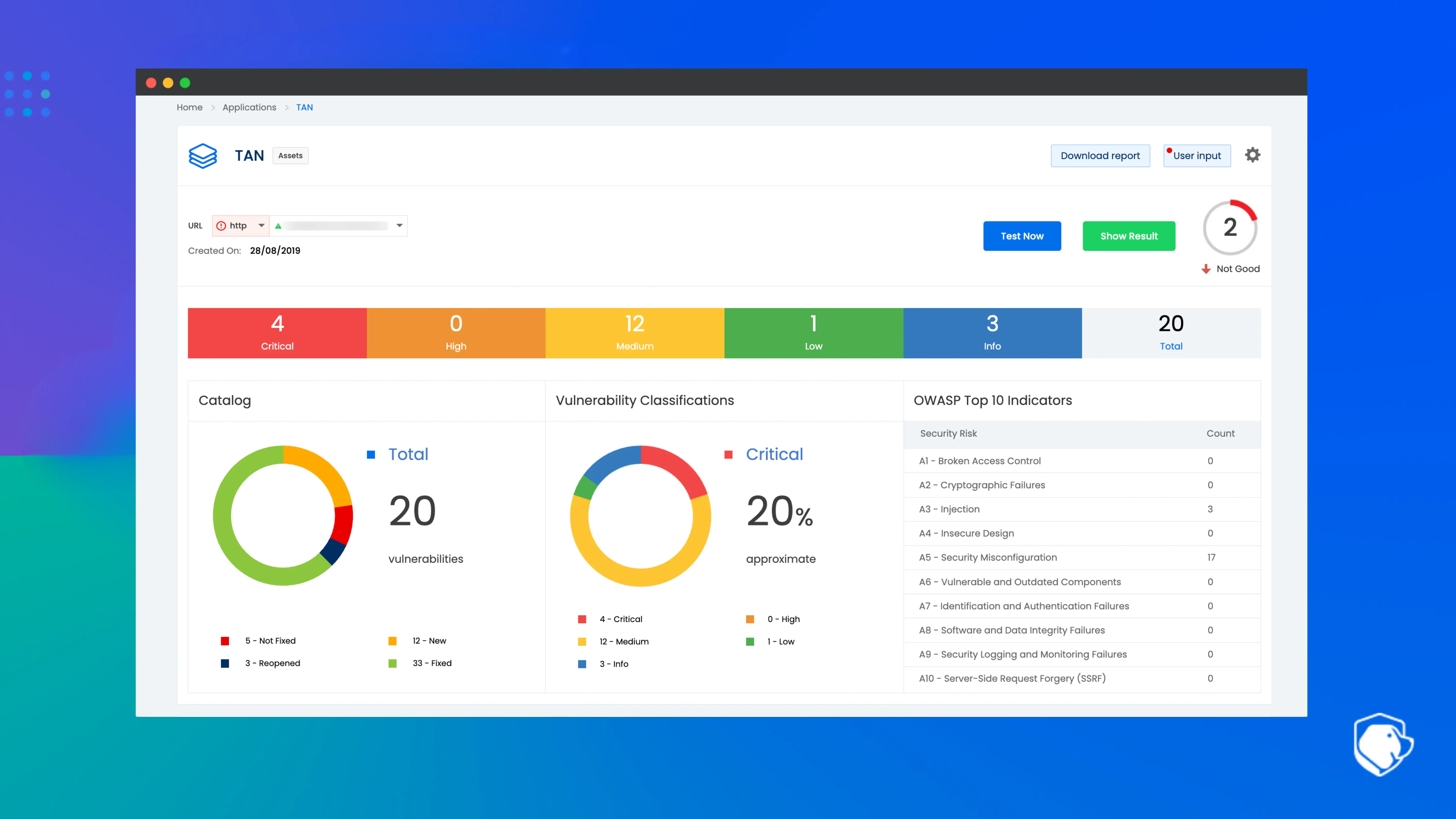
Beagle Security offers an AI-driven penetration-testing-style DAST platform that emphasises realistic attack simulation, API/GraphQL coverage and developer-friendly workflows. According to reviews, its low false-positive rate and tight CI/CD integrations stand out.
Features
AI-powered vulnerability detection and validation
API & GraphQL security testing
CI/CD native integrations (GitHub Actions, Jenkins etc)
Detailed remediation guidance with contextual insights
Compliance-ready reports (ISO 27001, SOC 2, PCI DSS, HIPAA)
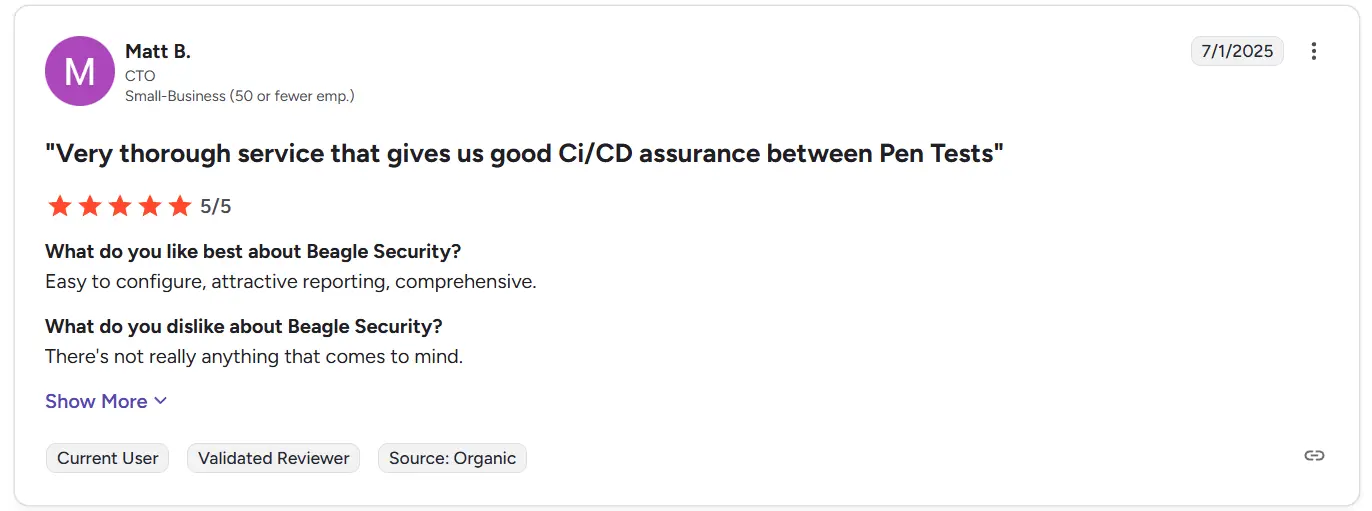
G2 review summary: Rating 4.7/5 with users praising ease of use, accuracy, developer-focus and lower false positives.
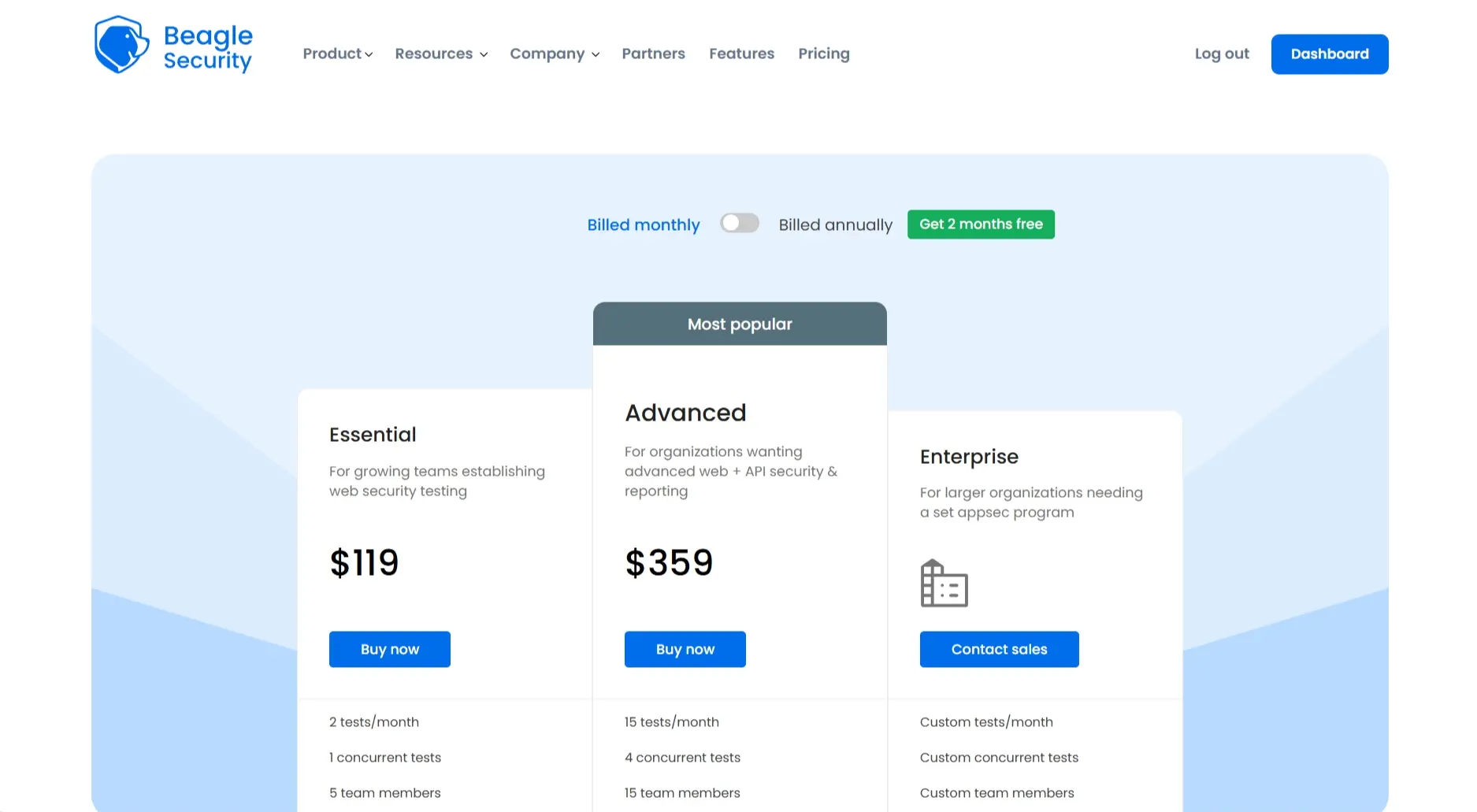
Pricing: Free trial; Essential $119/mo; Advanced $359/mo; Enterprise ~from $6,850/year.
Why consider it: Modern, cost-efficient, tailored for DevSecOps and API-first apps.
2. Checkmarx DAST
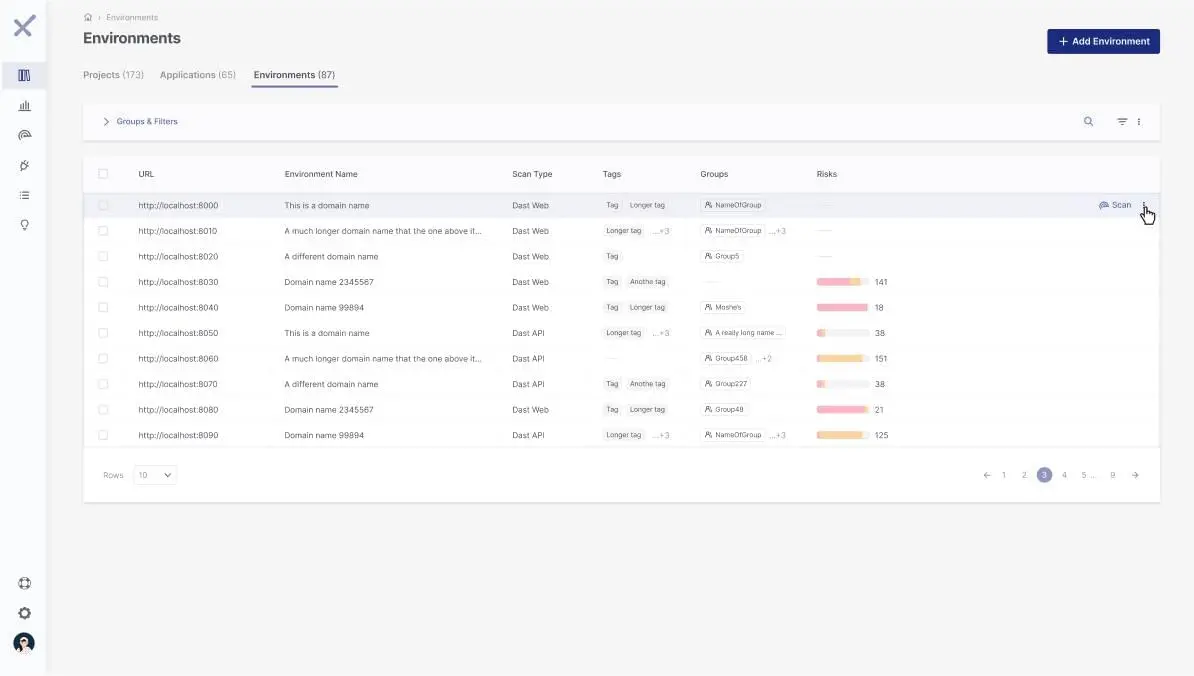
Checkmarx DAST is part of the broader Checkmarx One Application Security Platform, which includes SAST, SCA, API security, IaC and container scanning.
The DAST component allows runtime live-application scanning and is closely integrated with the rest of the suite, meaning vulnerabilities discovered via DAST can be correlated with SAST/SCA findings for richer prioritization.
Features
Unified AppSec with SAST, DAST and SCA
Broad language/technology support and integrations
CI/CD and DevOps pipeline friendly
Detailed vulnerability analytics & prioritization
Enterprise-grade reporting & governance
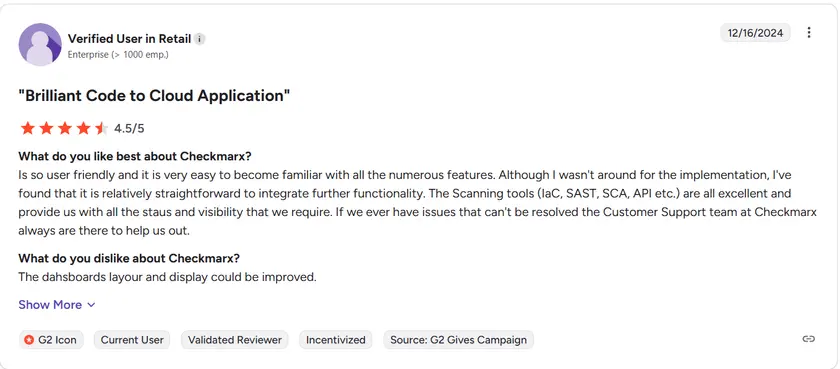
G2 review summary: 4.2/5 (35 reviews) with praise for setup and integration, but some users cite complexity and false positives.
Pricing: Quote-based (not publicly detailed)
Why consider it: Best if you already have Checkmarx or need a full AppSec platform rather than a standalone scanner.
3. Veracode DAST
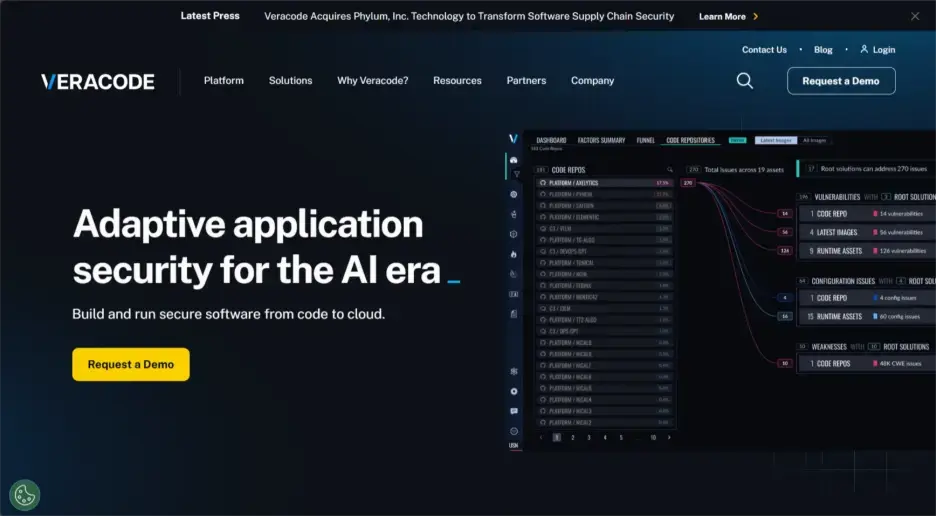
Veracode DAST (also called Veracode Dynamic Analysis) is designed to deliver scalable web-application and API scanning across large portfolios with low false positives and strong DevSecOps integration.
The platform emphasizes the ability to tailor scan depth, handle internal apps behind firewalls (via their ISM capability) and integrate into automated pipelines.
Features
Cloud-native DAST scanning for web apps & APIs
Policy-driven workflows, governance, compliance orientation
Reporting across SAST/DAST/SCA modules
Platform-wide integration with build pipelines
Enterprise support and professional services
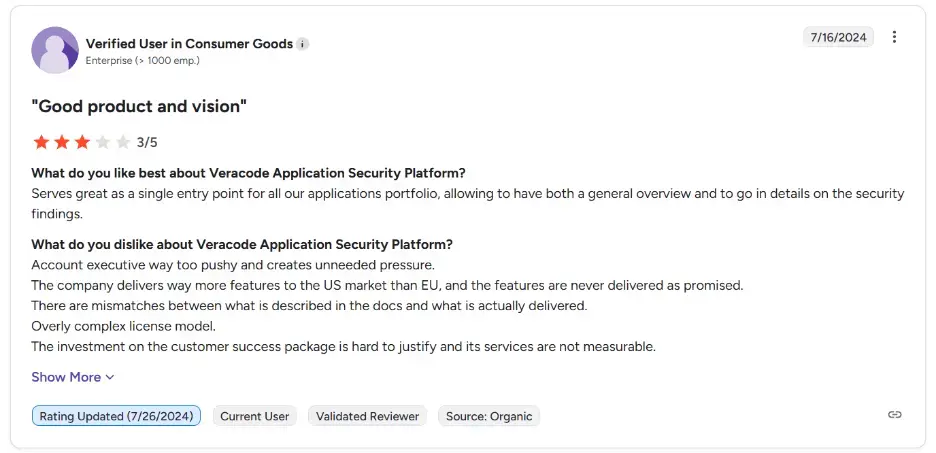
G2 review summary: 3.8/5 on G2. Users often praise its thorough scanning and support, but call out a less intuitive UI and complex licensing.
Pricing: Starting approx ~$15,000/year for basic solutions; enterprise packages above $100,000/year.
Why consider it: Great for regulated industries, large portfolios, focus on governance over rapid developer-friendly workflows.
4. HCL AppScan
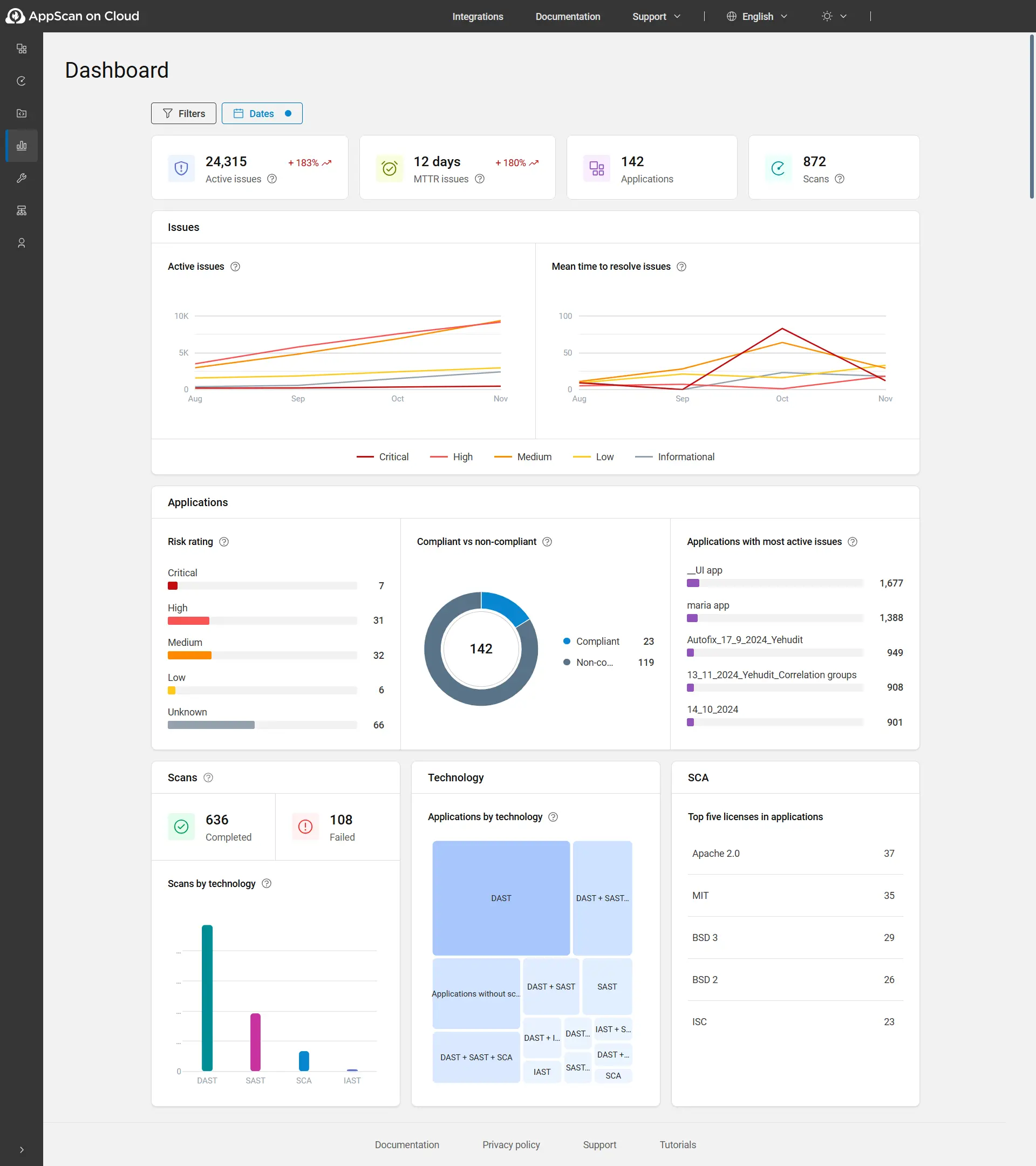
HCL AppScan is a mature application security suite offering DAST, SAST, IAST and SCA capabilities. Its DAST module provides thorough scanning for web-apps and APIs, including advanced features such as incremental scanning, configuration for complex environments, and AI enhancements in newer versions
Features
DAST + SAST + IAST + SCA in one suite
Cloud and on-prem deployment options
Enterprise scale and broad technology support
Real-time remediation and code-to-cloud visibility
API, container and IaC (in newer modules)
G2 review summary: 4.1/5 (76 reviews) with users acknowledging its comprehensive coverage; some cite high cost and complexity.
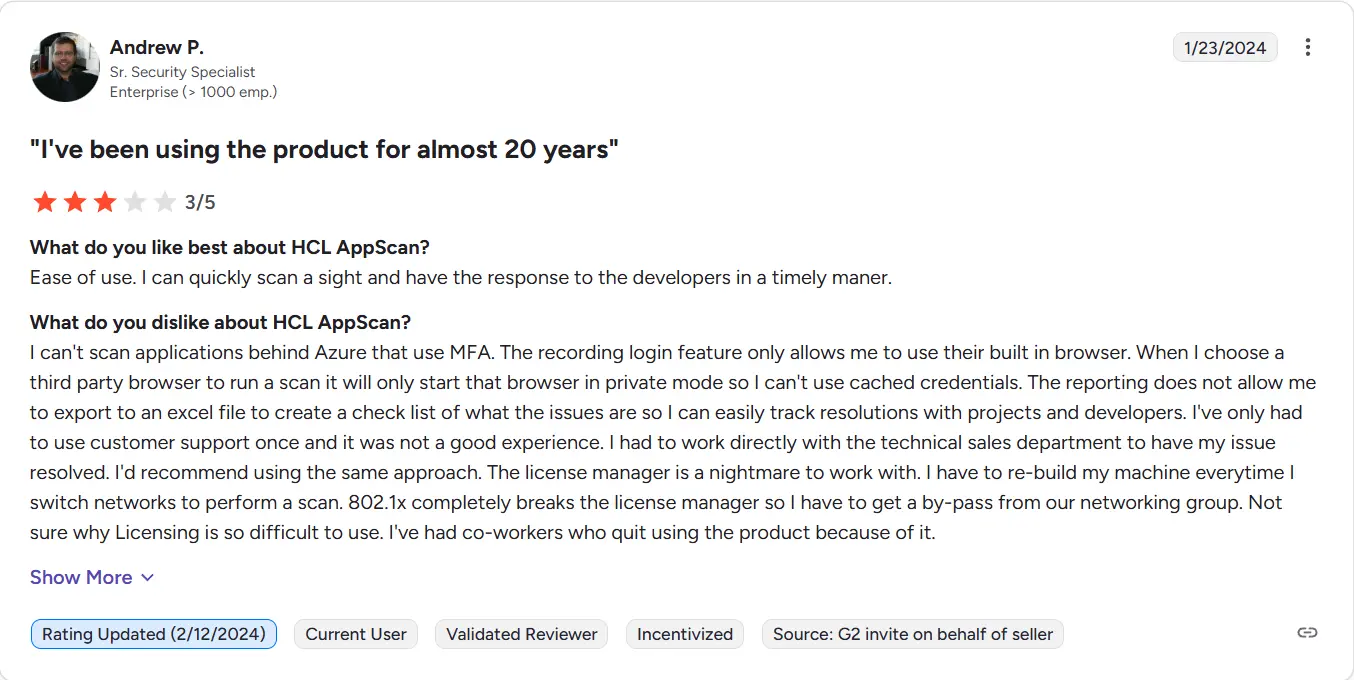
Pricing: Cloud DAST starts ~US$295.87 per scan (min packet of 5 scans ~US$1,479 annually) for smaller customers; enterprise licensing quoted and can run $25,000-$100,000+ annually.
Why consider it: If you’re in a large organization needing a broad and mature AppSec tool with DAST as part of a larger security suite, HCL AppScan fits.
5. Tenable Web App Scanning (WAS)
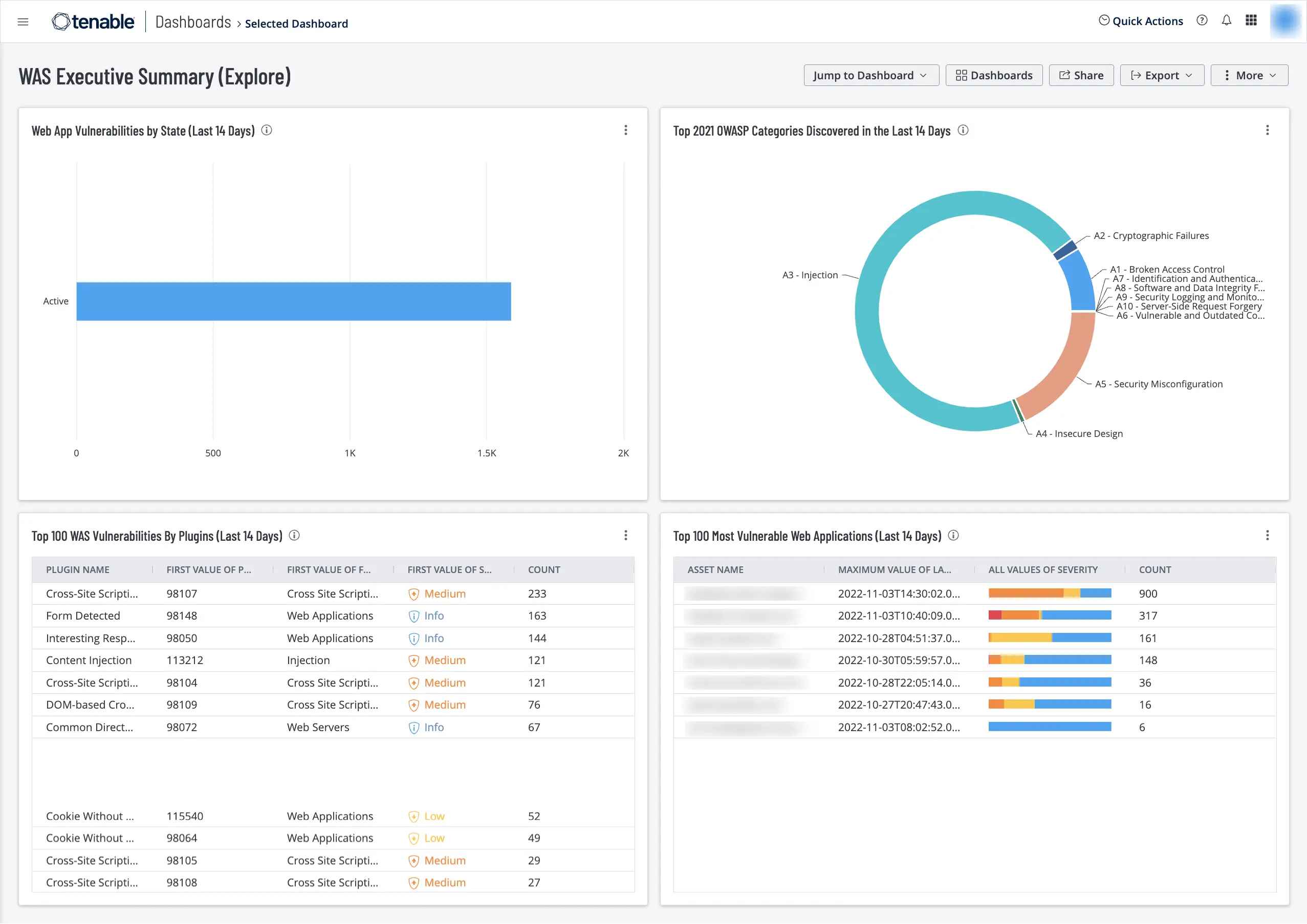
Tenable WAS is part of the broader Tenable exposure-management portfolio and delivers web application and API scanning (DAST) capability. It emphasizes coverage of modern web tech (JavaScript/AJAX frameworks), integration with the Tenable ecosystem, and risk-based prioritization. Tenable also claims extensive vulnerability plugin coverage (over 222K plugins, 91K CVEs) indicating strong research backing.
Features
Automated DAST for web apps and APIs (crawl + scan)
OWASP Top 10, vulnerable component detection, SSL/TLS mis-config checks
Role-based access and dashboards, integration into Tenable ecosystem
SaaS deployment + on-premise flexibility
Prioritization through Tenable’s exposure management context
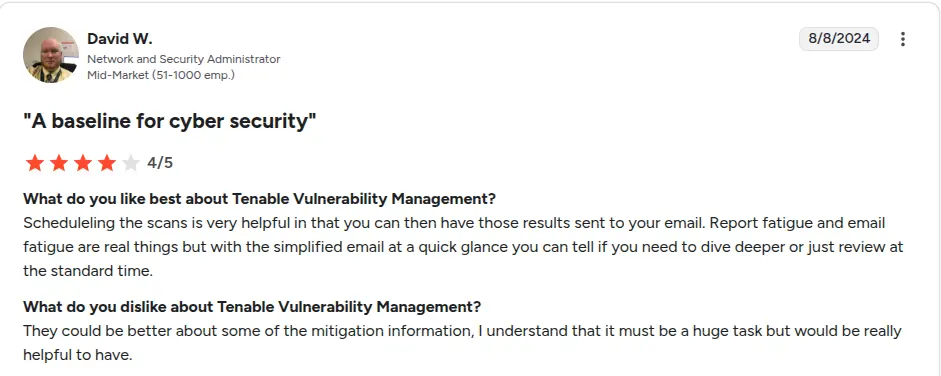
G2 review summary: Tenable is highly rated among vulnerability assessment tools with a 4.5/5 stars on G2.
Pricing: Starts at $7,434 per year for 5 FQDNs.
Why consider it: Strong option if you already use Tenable or have a moderate set of web apps to scan and want risk-based approach.
6. Qualys Web Application Scanning (WAS)
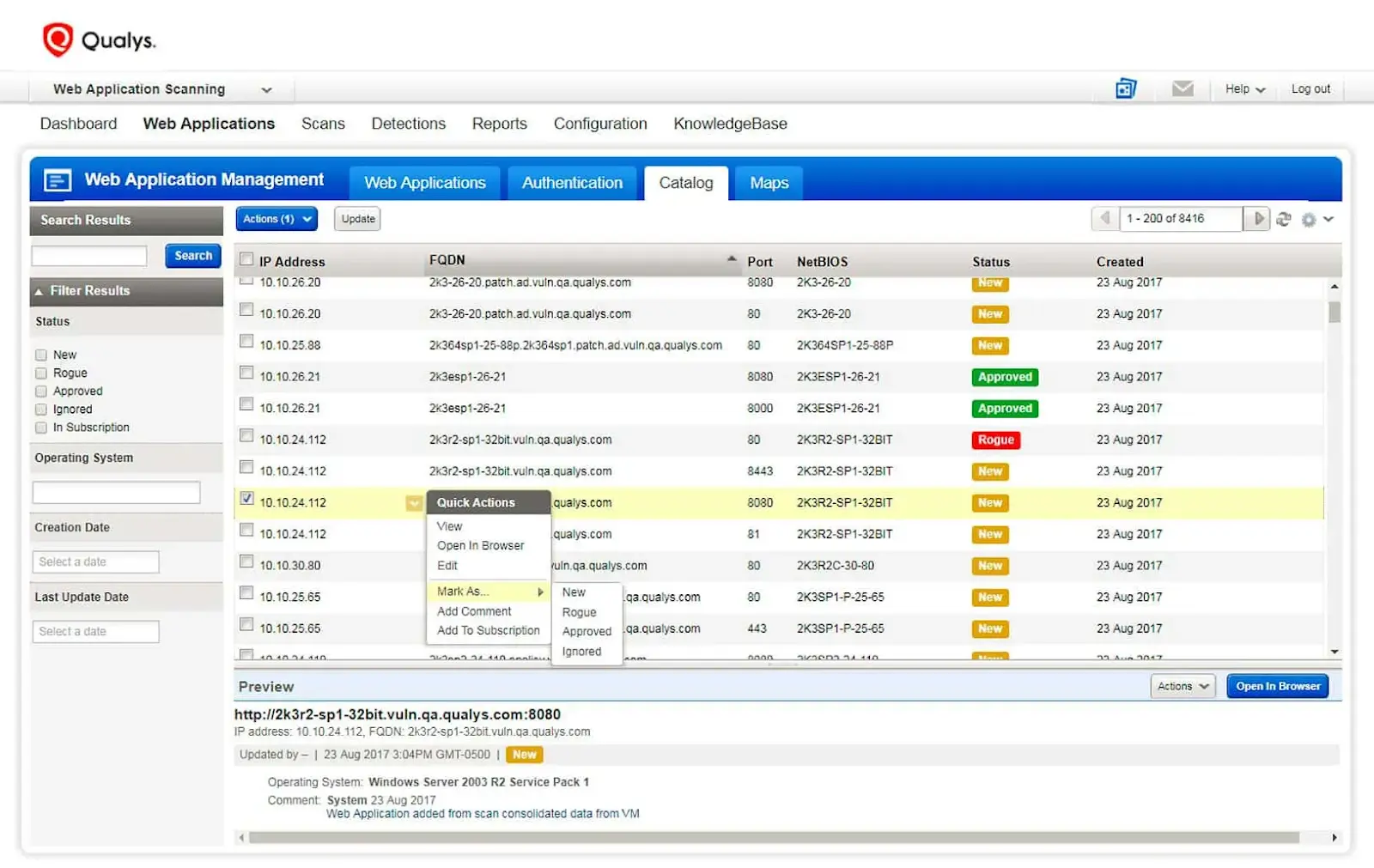
Qualys WAS is a cloud-based DAST solution integrated into the Qualys Cloud Platform, designed for highly scalable scanning of web apps and APIs, with asset discovery, compliance reporting, and progressive scanning capabilities.
The tool emphasizes consistency across large portfolios and enterprise asset management.
Features
Cloud-based web app + API scanning, including OWASP & API Top 10, mis-config, PII detection
Deep-learning / AI-augmented web malware detection
Compliance automation and governance reporting
Scalable across many web apps and domains
G2 review summary: 4.5/5 rating; users commend wide coverage but some mention slower performance in large scan sets and configuration complexity.
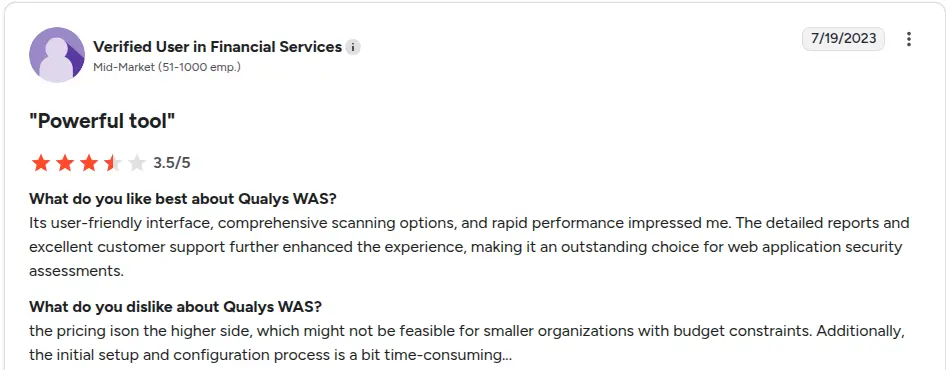
Pricing: Starting at $1,995/year for 25 apps (public reference)
Why consider it: Best for large organizations with many web apps/APIs, seeking enterprise-grade scanning and governance.
7. Rapid7 InsightAppSec
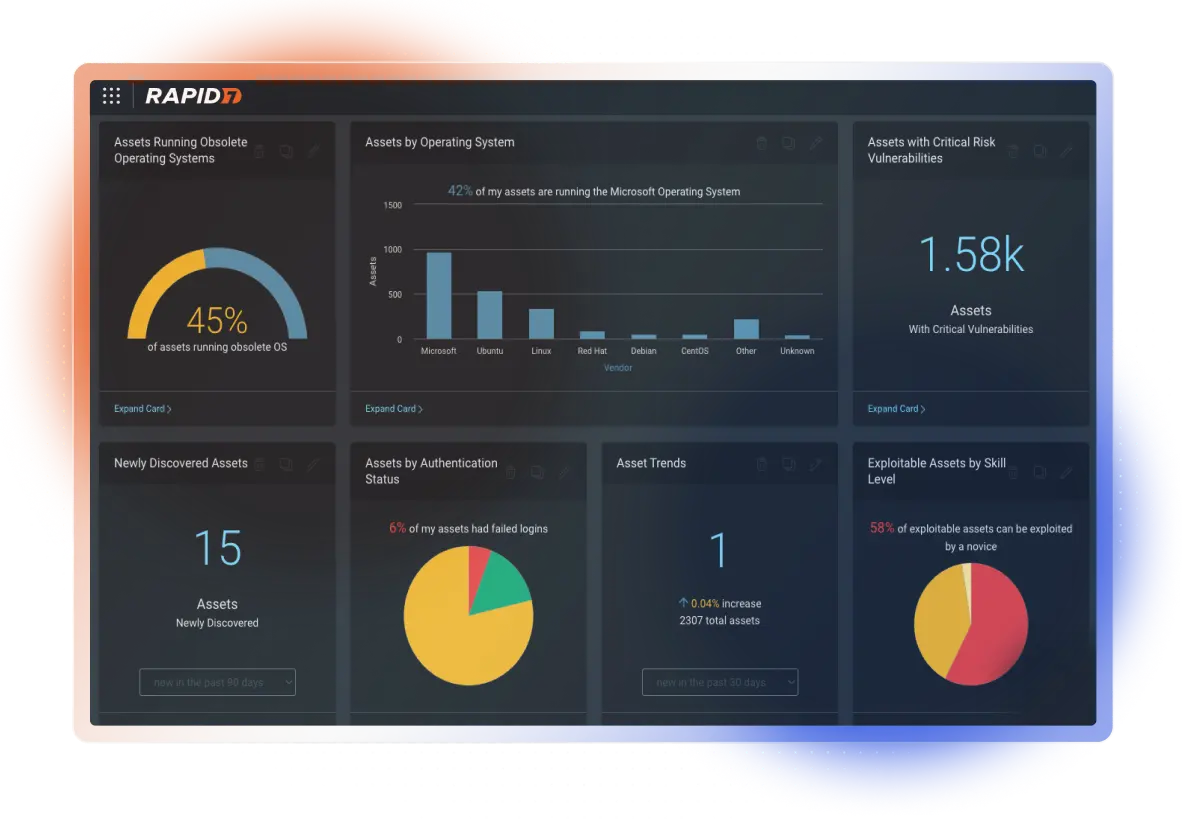
Rapid7 InsightAppSec is a cloud-based DAST solution built as part of the Rapid7 “Insight” platform, integrating with other Rapid7 tooling (e.g., InsightVM). It emphasises dynamic attack simulation, developer workflow integration, and visual dashboards & risk scoring. It also supports scheduled scans, blackout windows, CI/CD integrations and vulnerability tracking.
Features
Cloud-based DAST scanning for web applications
Wide attack type coverage (>95 attack types referenced)
Unlimited concurrent scans (in some versions)
Integrations with ticket-systems (Jira, ServiceNow) and other Rapid7 tools
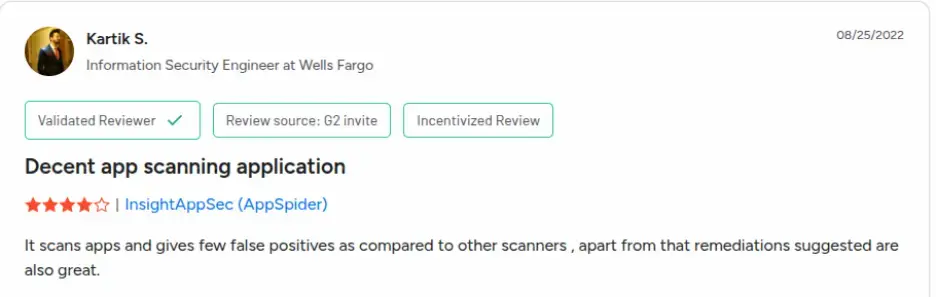
G2 review summary: 4.4/5. Users say it is user friendly, good for scanning many apps but some criticism exists about cost scaling as number of applications grows.
Pricing: Starting at $175/month per application ($2,100/year for 1 app)
Why consider it: Useful for organizations scanning many apps, especially if already invested in Rapid7 stack.
8. Black Duck DAST
Though commonly known as an SCA (Software Composition Analysis) vendor, the Black Duck suite from Synopsys also offers DAST-capable modules (e.g., Continuous Dynamic and Polaris fAST Dynamic) to detect runtime web-application vulnerabilities in combination with open-source risk.
This makes it relevant for teams needing open-source and runtime web/app scanning coverage.
Features
Open-source component scanning (SCA)
When integrated with DAST modules : dynamic web/app scanning
Focus on supply-chain and runtime risks
Governance and compliance for open-source risk
Reporting across dependencies + runtime vulnerabilities
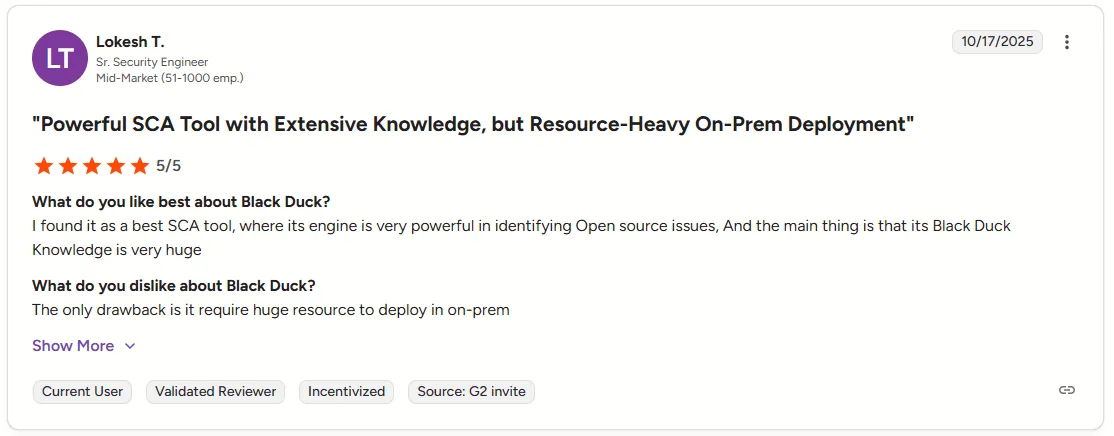
G2 review summary: Black Duck scores a 4/5 on G2. While specific DAST reviews are fewer, users appreciate the SCA depth and integration.
Pricing: Quote-based (not publicly detailed)
Why consider it: If your architecture heavily uses open-source and you want a combined SCA + DAST workflow.
9. Invicti (formerly Netsparker)
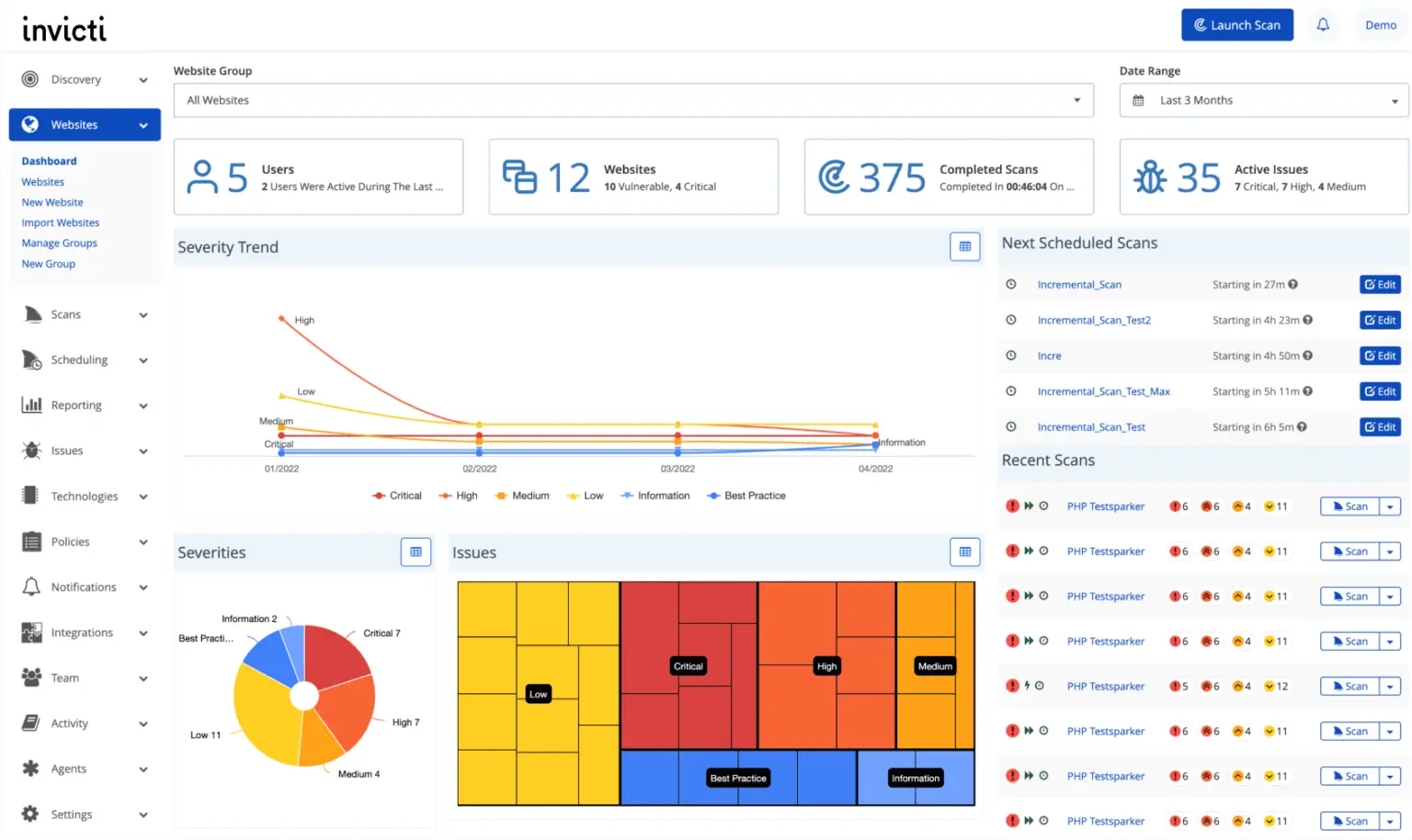
Invicti is a web-application vulnerability scanner with proof-based automation designed to reduce false positives and support large portfolios.
It is well established in the DAST market and often cited among top tools for DevSecOps teams.
Features
Automated scanning of web apps, web services, APIs
Proof-based reporting (validated findings)
CI/CD integrations and scalable for multi-app organizations
Compliance-focused reports (PCI, ISO etc)
Multi-platform support (on-prem + cloud)
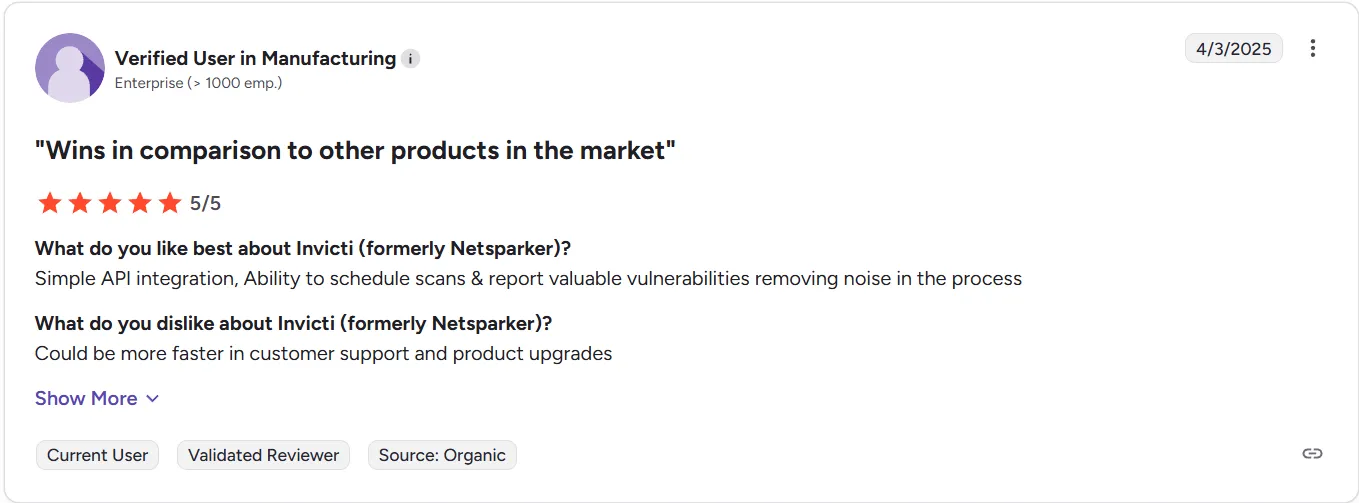
G2 review summary: 4.6/5 rating. Users applaud accuracy, but some mention enterprise price and onboarding complexity.
Pricing: Quote-based
Why consider it: Good for organizations that prioritize scan accuracy (fewer false positives) and need proven web scanning across complex app portfolios.
10. Acunetix
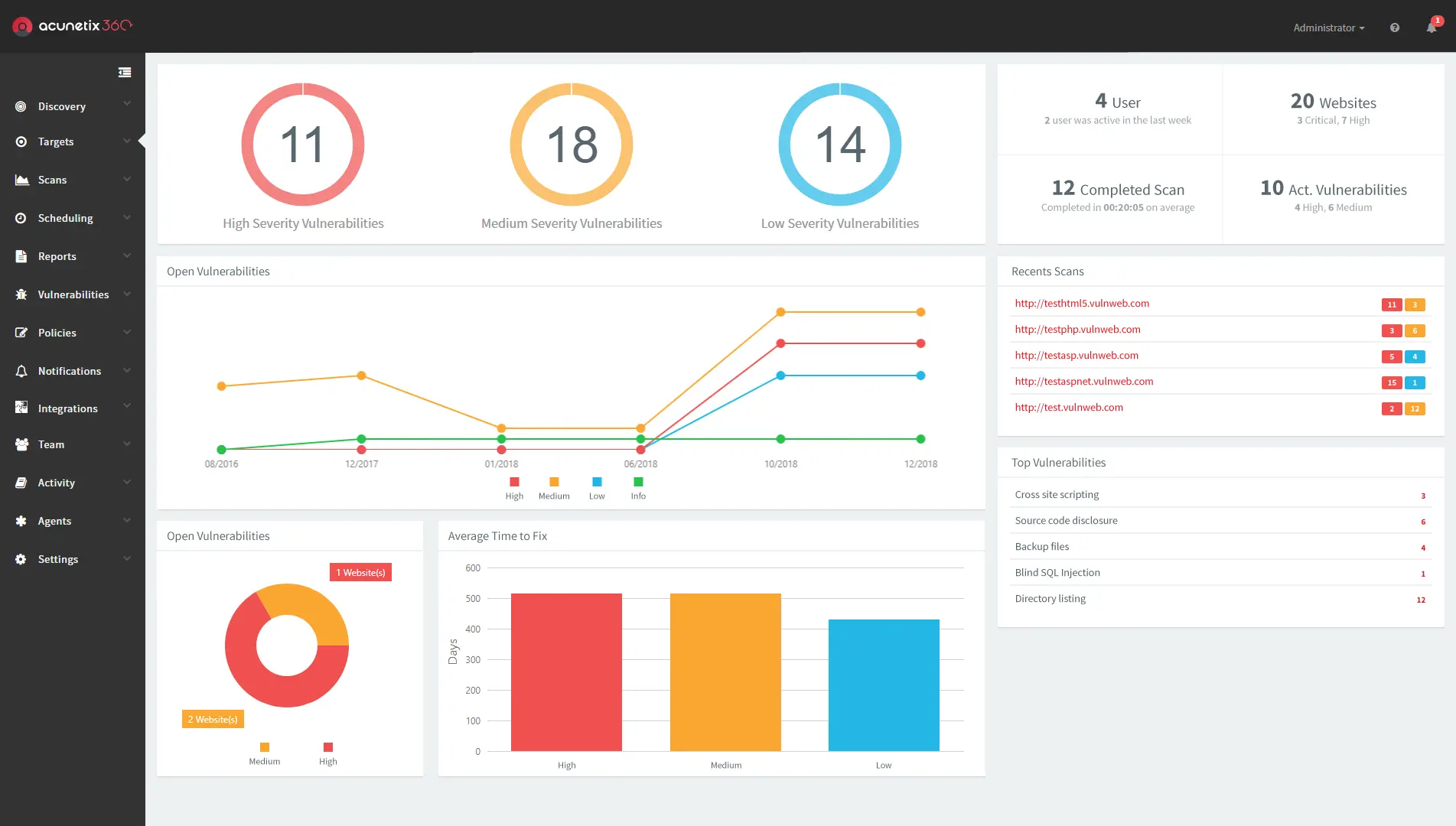
Acunetix is a long-standing web application scanner favorable with SMBs and web-app heavy teams, offering affordable entry options.
Features
Web application vulnerability scanning including OWASP Top 10
API scanning and modern web app support
Affordable pricing tiers for smaller teams
Reports and integrations for remediation workflows
On-premises and cloud deployment options
G2 review summary: Acutenix scores a 4.1/5 on G2. Users highlight good value, ease of setup for smaller teams while larger enterprises may seek more advanced features.
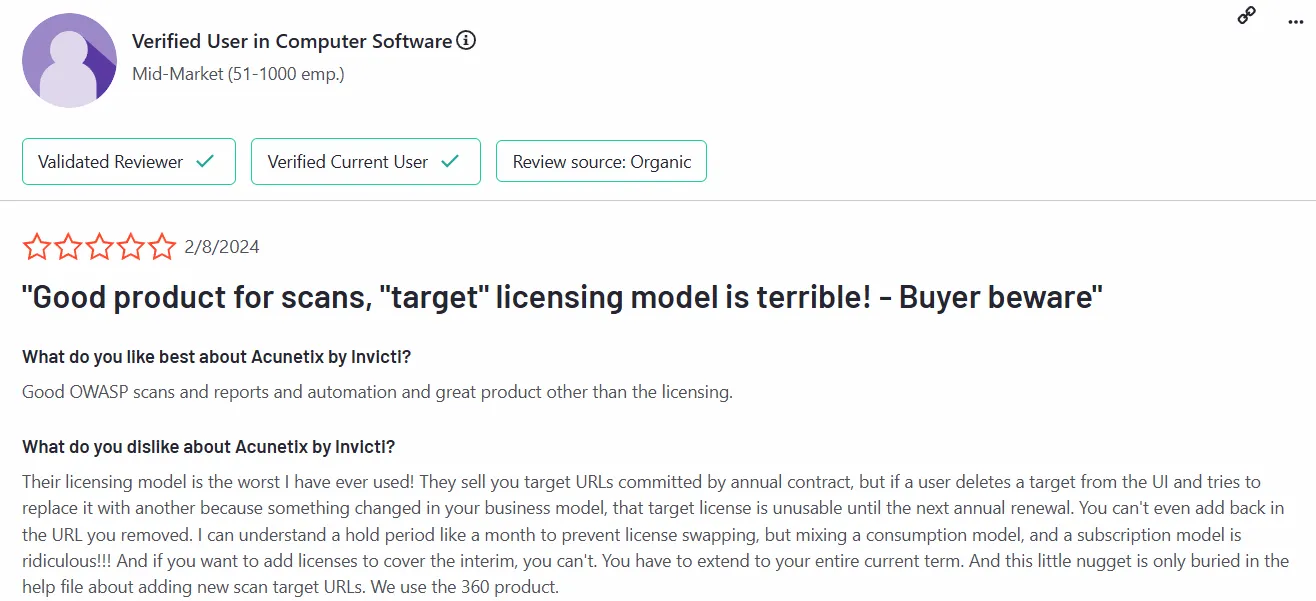
Pricing: Entry tiers referenced under $119/month in some sources; actual quote may vary.
Why consider it: For smaller organizations, web-app only scanning needs, and budget-sensitive scenarios.
Things to consider when looking for an Intruder.io alternative
When evaluating an alternative to Intruder.io, use these key factors to choose wisely:
Scope & asset coverage: Does it cover web apps, APIs, mobile, cloud endpoints, internal vs external?
Methodology & accuracy: Does it perform true DAST (active exploitation) vs just scanning? What’s the false-positive rate?
CI/CD / DevOps integration: How well does it integrate with your pipeline, bug-tracking, alerting tools?
Scalability & portfolio size: How many applications/FQDNs can you scan? What’s cost as you grow?
Reporting & remediation guidance: Are reports actionable, developer-friendly and aligned to severity & compliance?
Pricing model & transparency: Is pricing per app, per scan, per FQDN, or custom enterprise? What’s the baseline?
Support & ecosystem fit: Does the vendor support your technology stack, deployment model (cloud/on-prem/hybrid) and team size?
Compliance & governance: Does it provide frameworks for PCI, SOC 2, HIPAA, ISO 27001, and enterprise audit reports?
Future proofing: Does it support modern architectures (GraphQL, SPAs, microservices, APIs) and new test types (business logic, post-authentication)?
Vendor lock-in vs flexibility: Are you tied to a larger suite, or can you adopt a best-of-breed tool? What’s the migration cost?
Final thoughts
Switching from Intruder.io or picking an alternative brings many choices, and prioritizing the right features and cost structure is key. If you’re a developer-first, modern web/API team, tools like Beagle Security, Acunetix or Invicti might hit the sweet spot. For larger enterprises needing broad AppSec coverage, governance and compliance, Checkmarx, Veracode, HCL AppScan or Qualys WAS may be better fits. Meanwhile, if you’re already using a vendor ecosystem (Tenable, Rapid7) it might make sense to stay aligned.
If you think Beagle Security might be a good fit for your organization, check out our 14 day advanced trial to see if we’re the right fit for you.


![Top ZAP alternatives and competitors [October 2026]](/blog/images/top-zap-alternatives-cover.webp "Top ZAP alternatives and competitors [October 2026]")




![Top 10 penetration testing companies [2026]](/blog/images/top-penetration-testing-companies-cover.webp "Top 10 penetration testing companies [2026]")


![Top vendor application security tools [2026]](/blog/images/top-vendor-application-security-testing-tools-2026-cover.webp "Top vendor application security tools [2026]")



![Top Snyk alternatives & competitors [2026]](/blog/images/top-snyk-alternatives-cover.webp "Top Snyk alternatives & competitors [2026]")